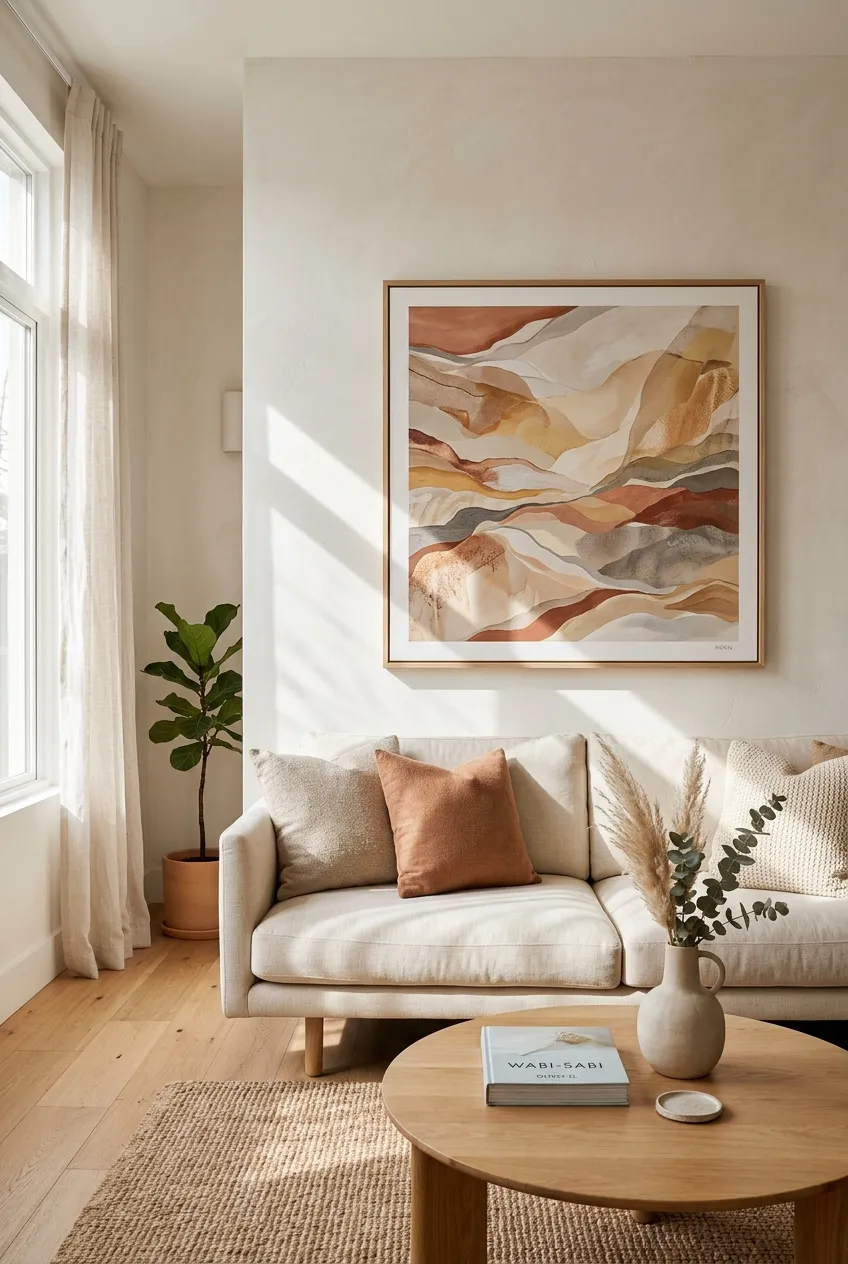
Home decor is moving in a warmer, more personal direction in 2026.
Instead of rooms that feel perfectly matched or designed around a single aesthetic, people are embracing spaces with natural materials, comfortable furniture, richer colors, vintage finds, meaningful objects, and layers of texture.
That doesn’t mean every home needs to become dramatically colorful or filled with antiques. Some of the most useful trends are actually quite simple: improving your lighting, bringing in more natural wood, creating comfortable corners, or adding one piece that feels uniquely yours.
The best trends are the ones that can make your home feel better without making it feel like you’re constantly trying to keep up with what’s fashionable.
Whether you’re refreshing one room or slowly changing your entire home, these 17 home decor trends for 2026 offer ideas you can actually live with.
1. Bring Warm Earth Tones Into Everyday Rooms
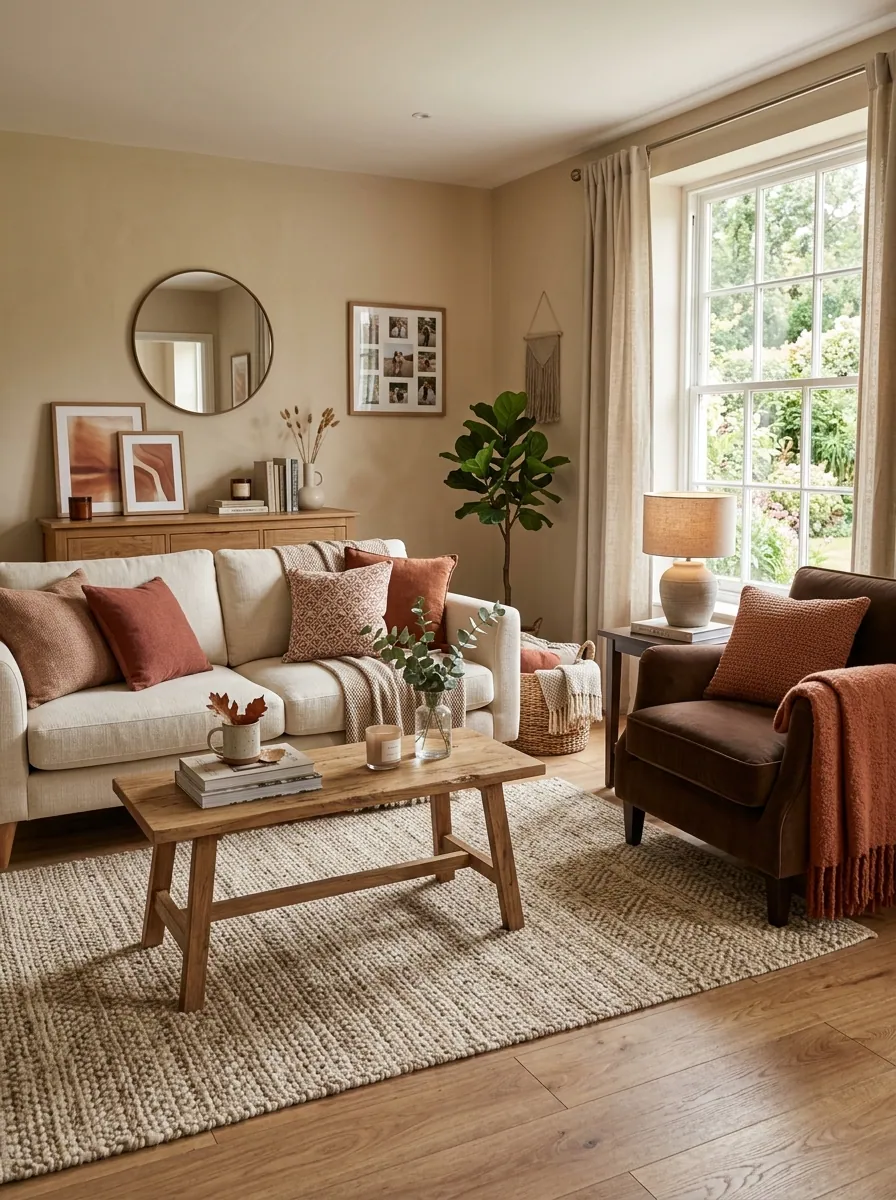
Warm earthy colors are becoming an easy way to make modern interiors feel more inviting.
Instead of relying heavily on cool gray or stark white, consider shades such as warm beige, caramel, terracotta, olive, clay, mushroom, and chocolate brown.
These colors work particularly well with natural materials because they already share a connection to the outdoors.
You don’t have to repaint an entire room. A few carefully chosen accents can introduce the trend without changing the foundation of your space.
Try an earthy rug, brown accent chair, terracotta artwork, olive cushions, or a warm-toned throw.
The important thing is creating a layered palette rather than using one earthy shade everywhere.
2. Let Natural Wood Become a Main Character
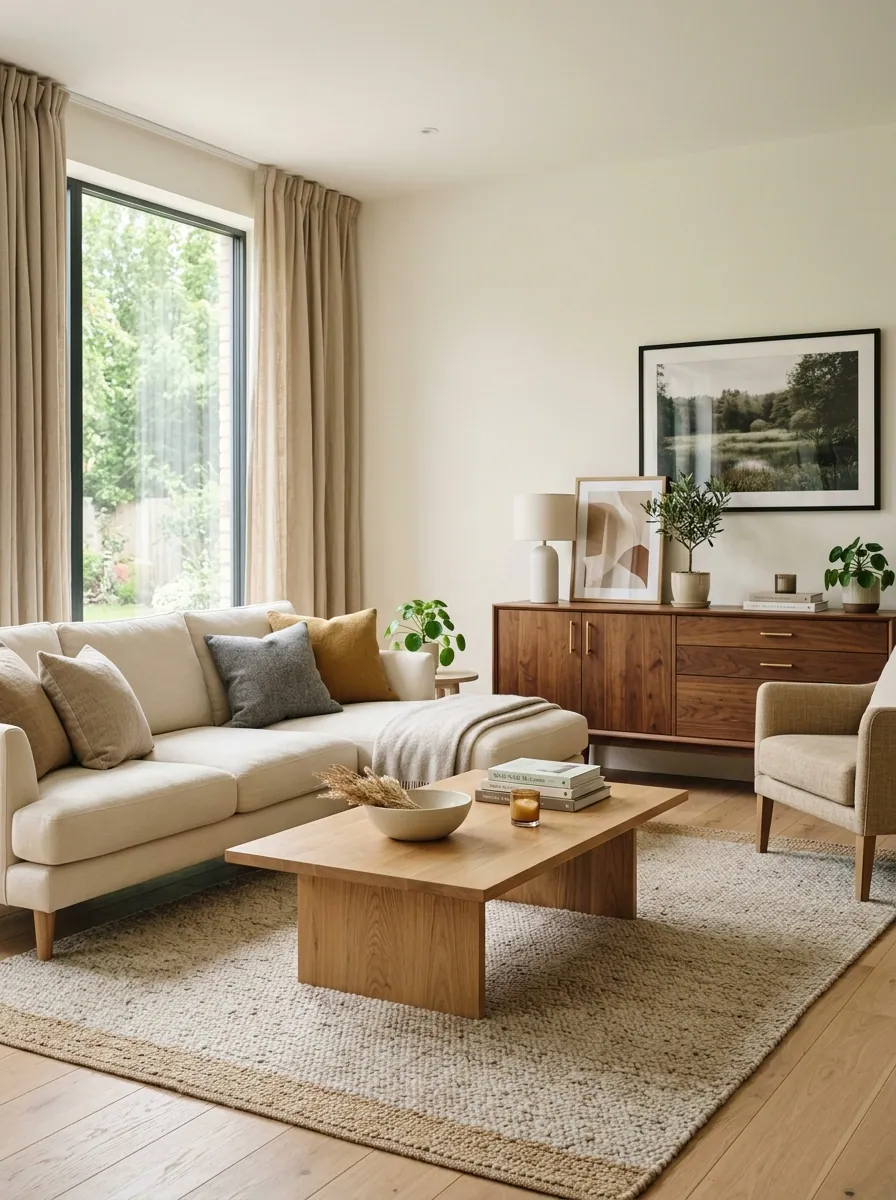
Natural wood is one of the easiest materials to use when you want a room to feel warmer.
Oak can keep an interior light and airy, while walnut and darker woods add more depth.
You can introduce wood through furniture, shelving, cabinetry, stools, picture frames, trays, or even smaller decorative objects.
The goal isn’t necessarily to make every wooden piece match.
Slight variations in wood tone can make a room feel more collected and natural, particularly when the rest of the palette is relatively calm.
If your room currently feels cold or overly polished, replacing one synthetic-looking accent with natural wood can make a noticeable difference.
3. Mix Vintage Pieces Into Modern Rooms
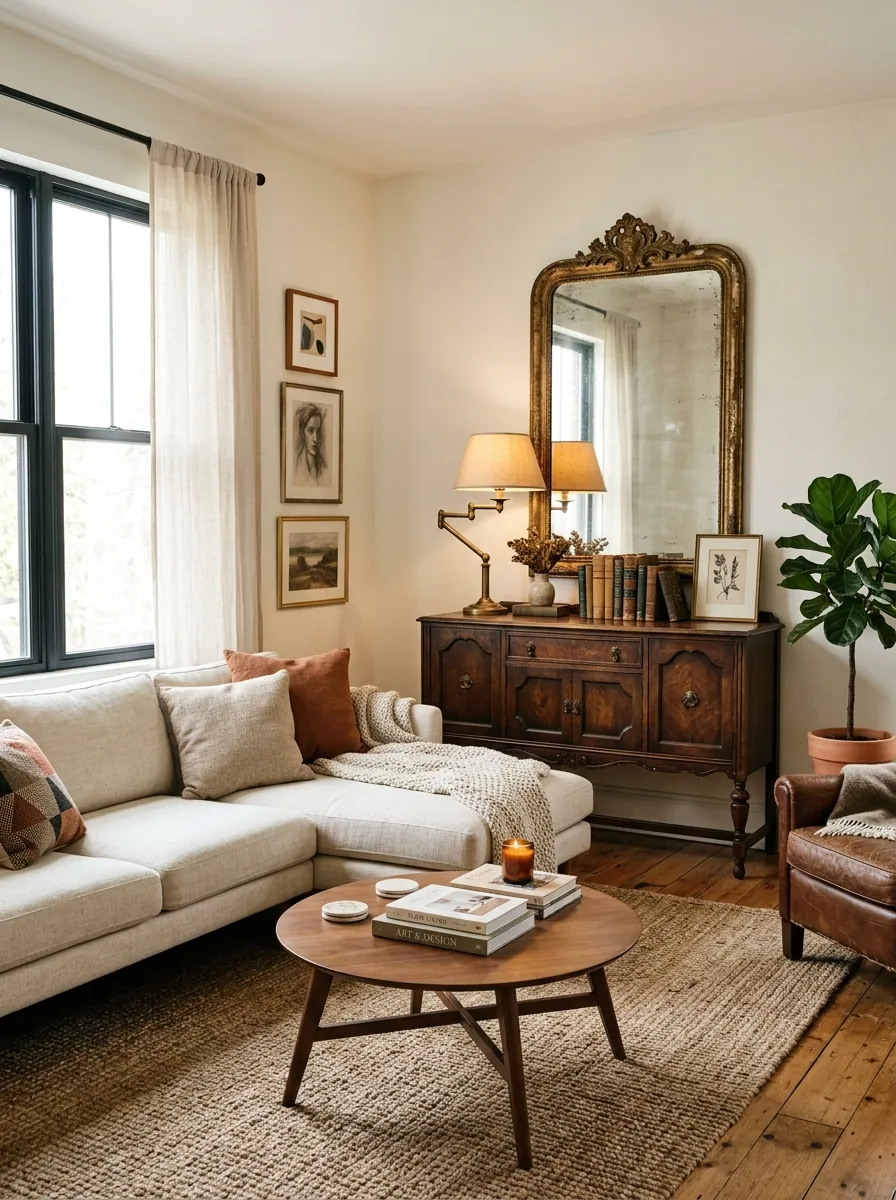
A room filled entirely with new furniture can sometimes feel more like a showroom than a home.
Vintage pieces solve that problem by adding character and visual history.
You could introduce an old wooden stool, vintage mirror, secondhand cabinet, traditional lamp, antique-style frame, or a collection of older books.
The contrast between old and new is what makes the look work.
A contemporary sofa can look even better beside a weathered wooden table. A modern bedroom can gain personality from an older dresser.
You don’t need expensive antiques.
Look for pieces with an interesting shape, material, finish, or story.
4. Soften Rooms With Curved Furniture
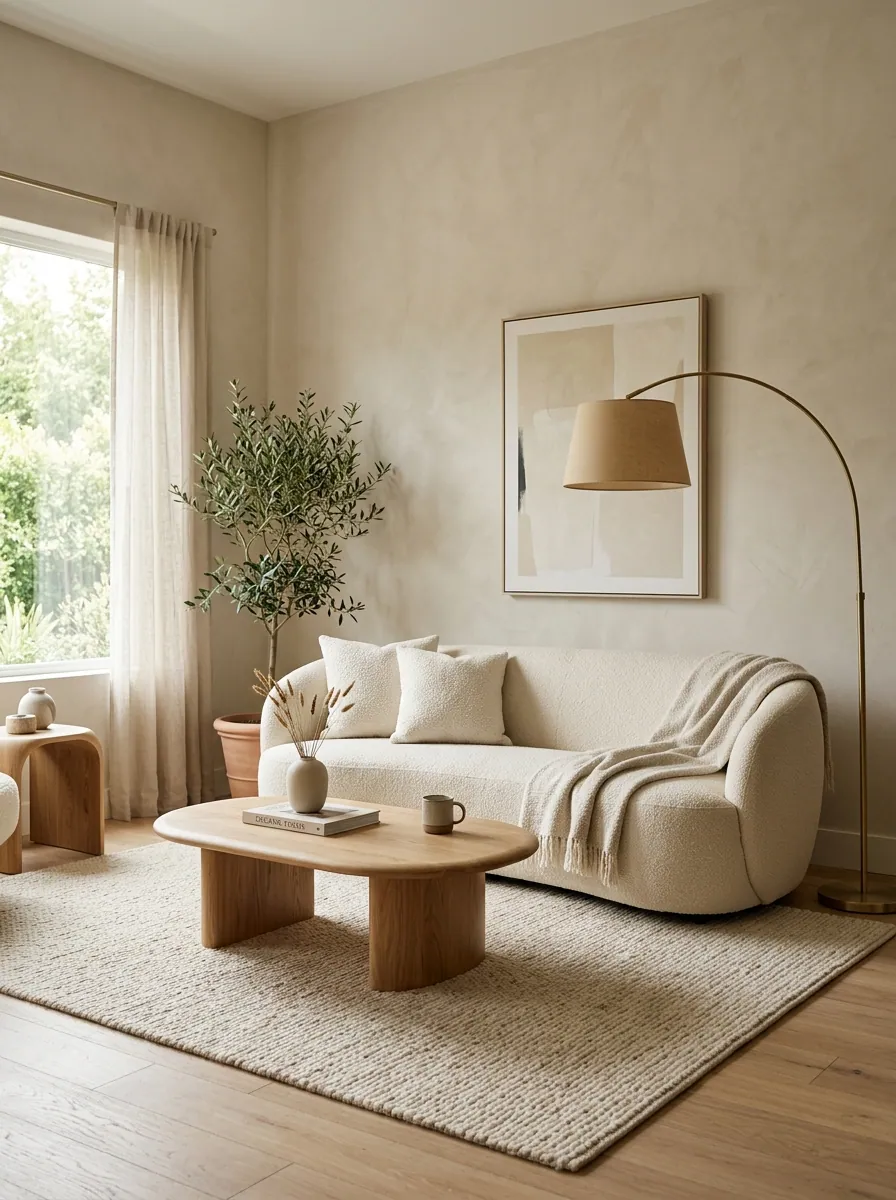
Curved furniture brings a softer quality to rooms that are dominated by straight architectural lines.
Rounded sofas, circular coffee tables, curved chairs, arched mirrors, and softly shaped ottomans can make a room feel more relaxed.
You don’t need several curved pieces.
One rounded coffee table can be enough to soften an otherwise angular living room.
Try combining curves with straight-lined furniture rather than making everything rounded.
That contrast creates balance and keeps the room from feeling overly themed.
5. Give the Kitchen More Personality
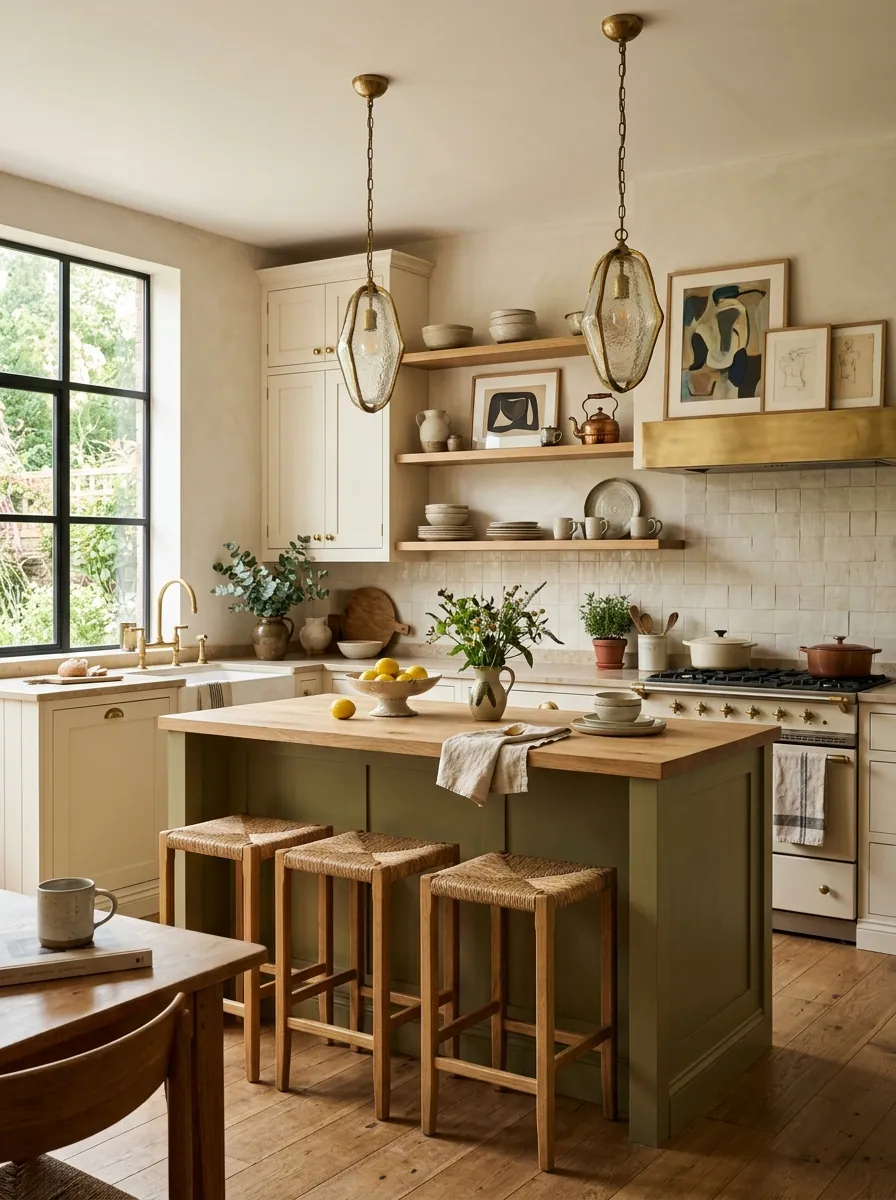
Kitchens are increasingly being treated as part of the home’s personality rather than purely functional spaces.
Warm cabinetry, natural wood, decorative lighting, artwork, rugs, open shelving, and colorful accents can make the kitchen feel much more connected to the rest of the home.
You don’t need a full renovation to try this idea.
A beautiful runner, new cabinet hardware, a few ceramics, wooden cutting boards, or a small piece of artwork can make an existing kitchen feel more considered.
The key is making the kitchen look like a room people actually enjoy spending time in.
6. Embrace the Collected-Over-Time Look
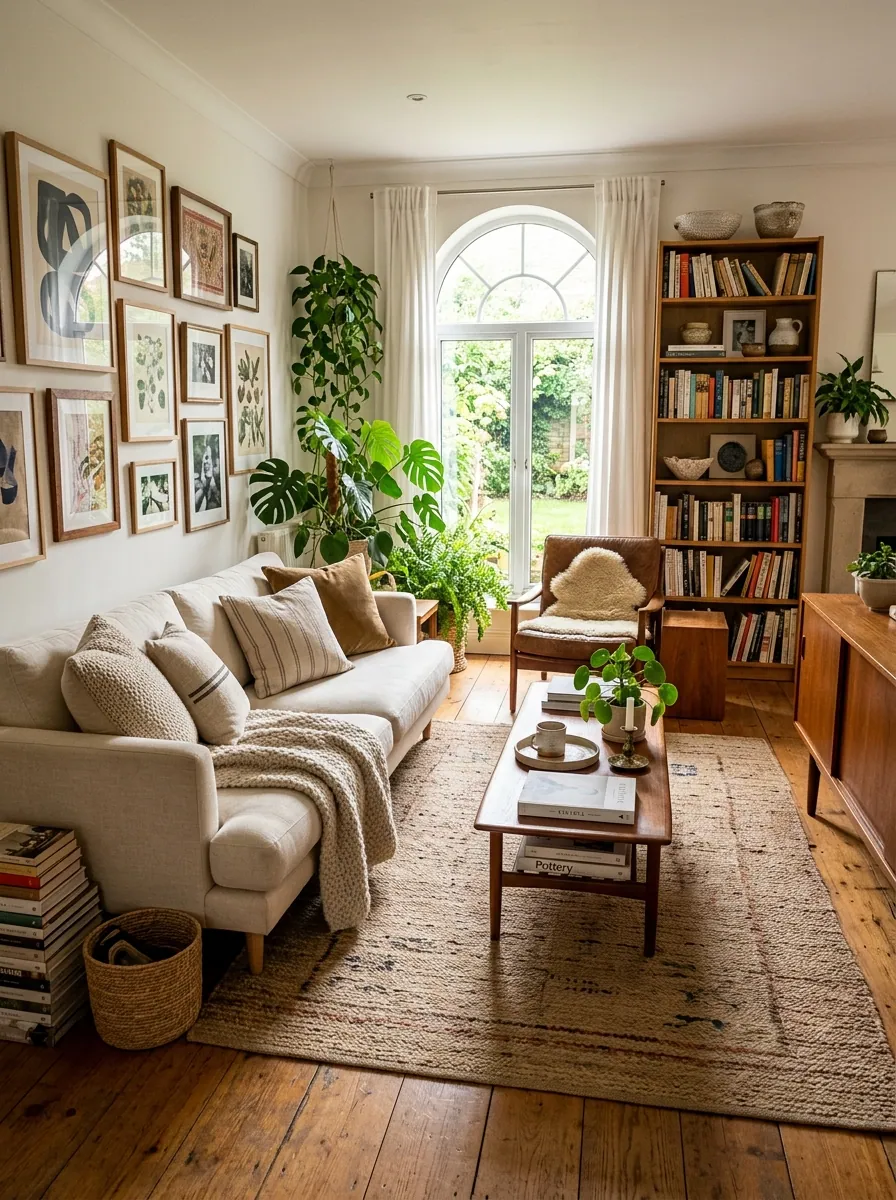
The most interesting homes rarely look as though everything was purchased during one shopping trip.
The collected-over-time approach combines pieces from different periods and styles while keeping enough visual connection between them.
A modern sofa might sit beside an antique cabinet. Contemporary artwork can hang above a traditional console. Handmade ceramics can share a shelf with modern objects.
You don’t need to deliberately make everything mismatched.
Instead, choose a consistent underlying palette and allow individual pieces to have their own personality.
This creates a home that feels developed rather than decorated all at once.
7. Turn an Empty Corner Into a Reading Nook
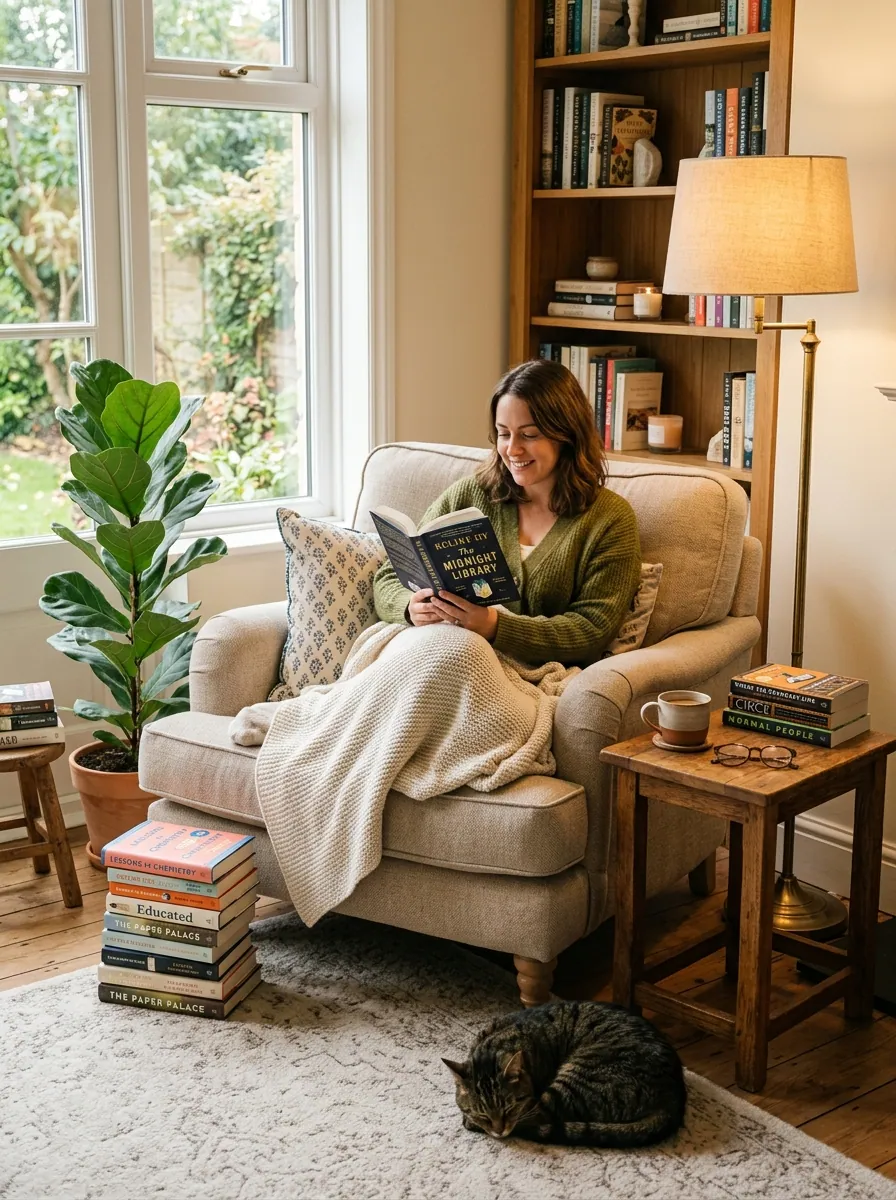
Unused corners can become some of the most enjoyable spaces in a home.
A reading nook doesn’t need a large footprint.
A comfortable chair, small side table, floor lamp, soft throw, and a few books can create a complete little retreat.
Place it near a window when possible so you can take advantage of natural light during the day.
For smaller rooms, choose a slim chair and narrow table instead of oversized furniture.
The purpose is to create a place that encourages you to slow down—not another area that needs complicated styling.
8. Layer Your Lighting Instead of Relying on One Fixture
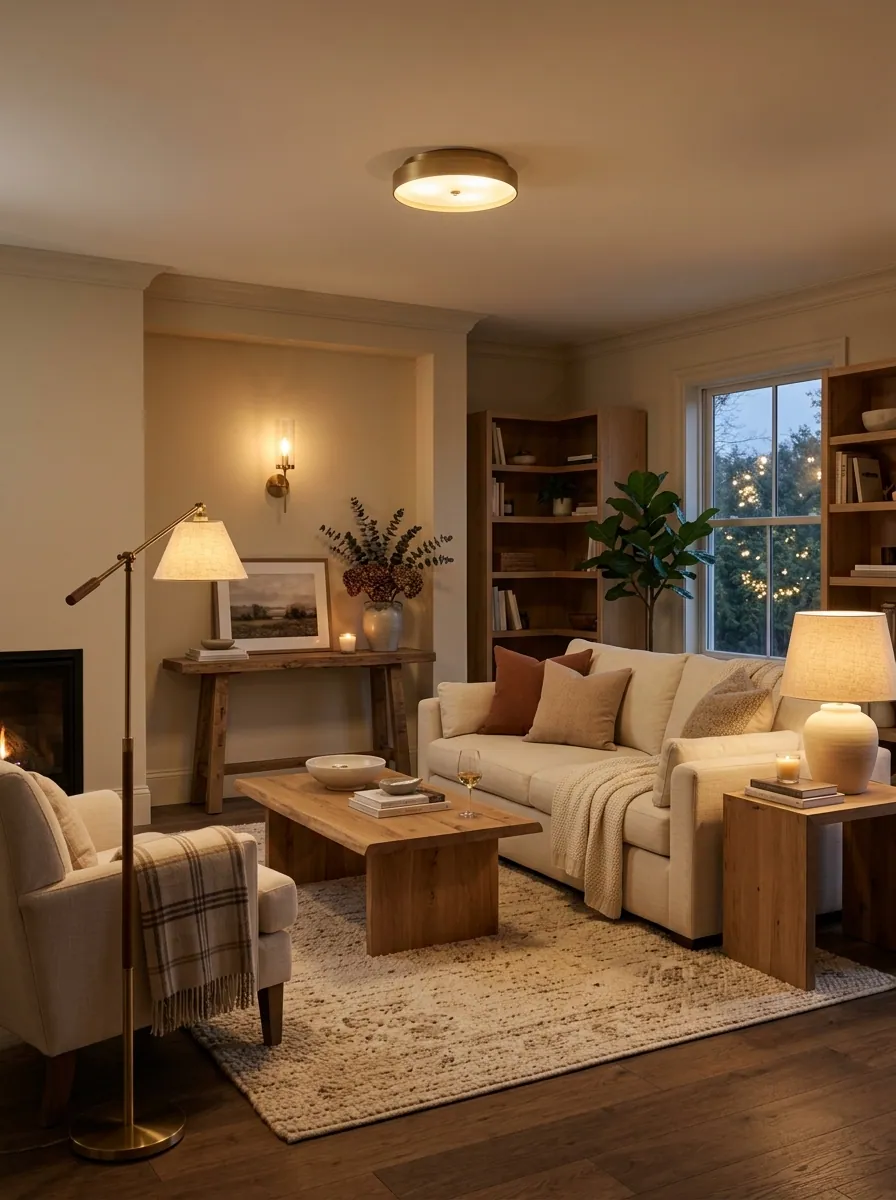
Lighting can completely change how expensive, comfortable, or welcoming a room feels.
Rather than relying on one bright ceiling fixture, use several light sources at different heights.
A table lamp can provide a soft glow beside a sofa. A floor lamp can illuminate a darker corner. Wall sconces can add warmth around a bed or artwork.
Then use the main ceiling light when you need stronger general illumination.
This layered approach creates depth and gives you more control over the atmosphere throughout the day.
9. Create a Better Connection Between Kitchen and Living Areas
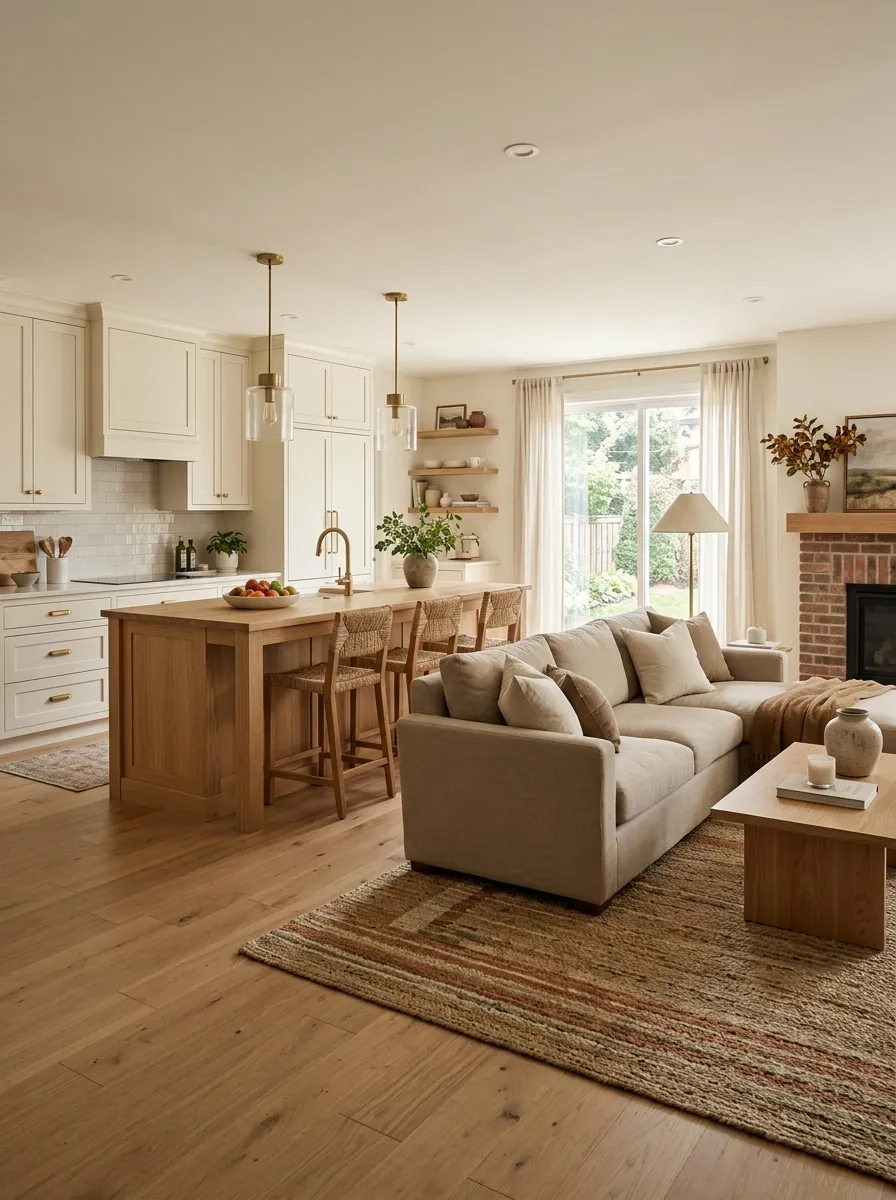
Open-plan spaces work best when the rooms feel connected without looking identical.
One simple way to achieve this is by repeating materials or colors.
For example, natural oak in the kitchen can appear again through the living room coffee table. A warm beige kitchen runner might connect visually with the living room rug.
You can also repeat metals, upholstery colors, or artwork tones.
The goal is subtle continuity.
When every element matches perfectly, the space can feel overly coordinated. When nothing relates, the rooms can feel disconnected.
10. Make Texture a Bigger Part of the Design
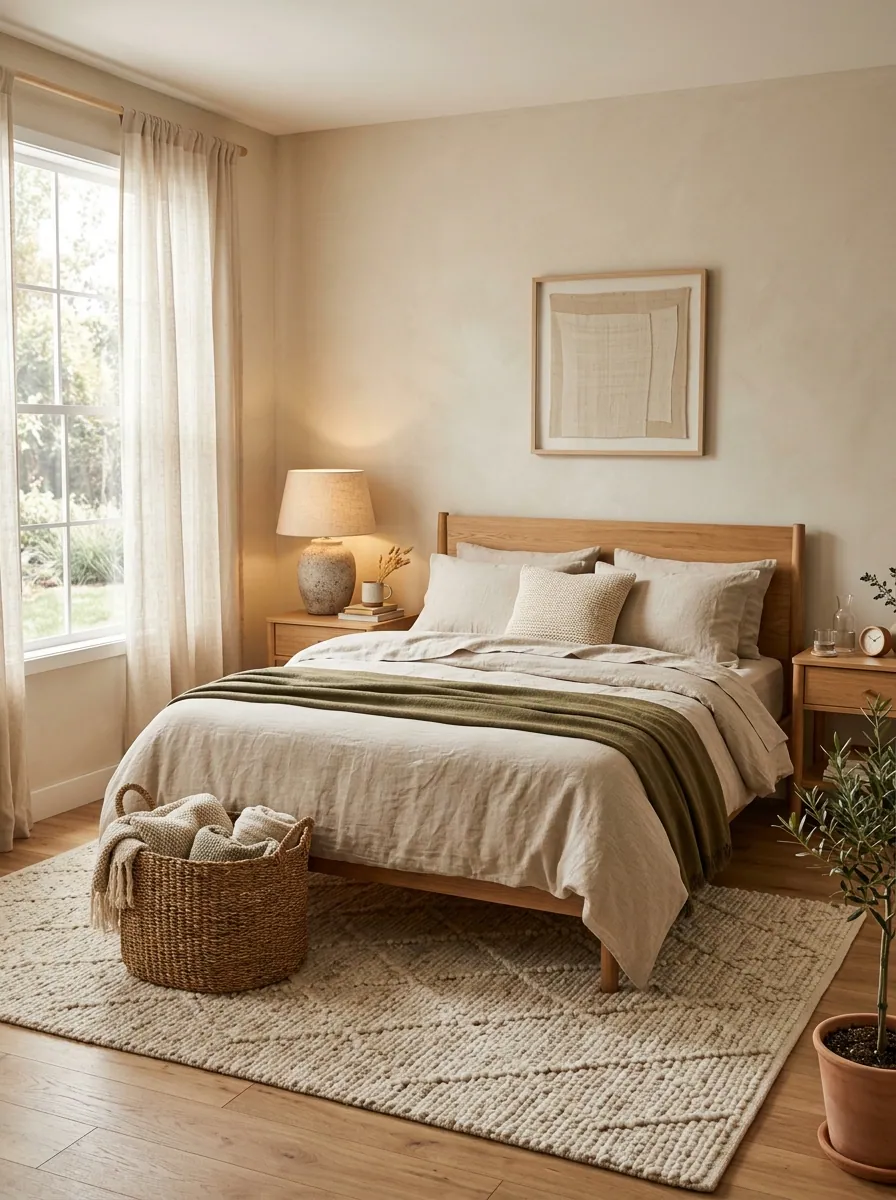
A room can have a beautiful color palette and still feel flat if every surface has the same visual texture.
That’s why tactile materials are becoming increasingly important.
Think about combining linen, wool, wood, stone, rattan, woven fibers, ceramic, and textured upholstery.
You don’t need dozens of different materials.
A linen sofa, wooden table, woven basket, and textured rug can already create plenty of variation.
Texture is especially useful in neutral rooms because it adds interest without requiring stronger colors.
11. Use Moody Colors to Create Intimacy
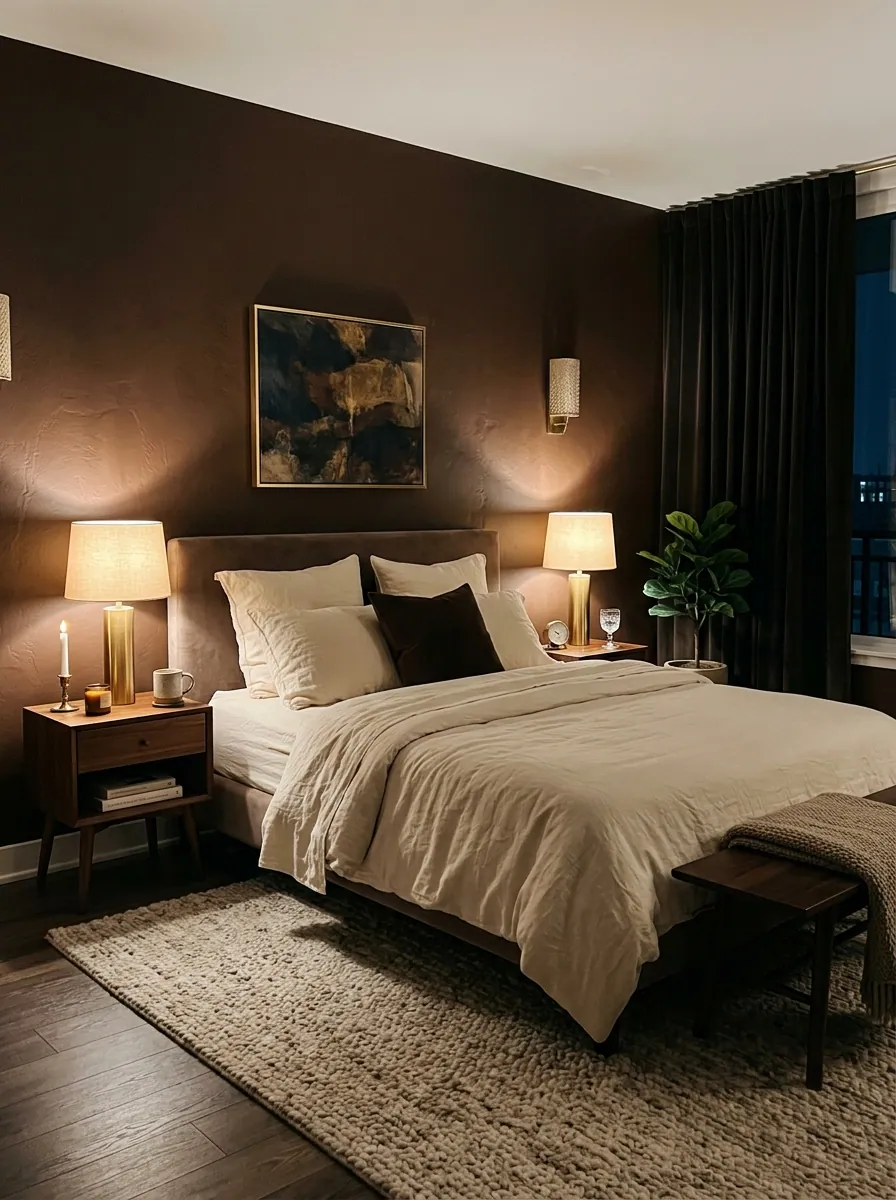
Darker colors don’t automatically make a room feel smaller or gloomy.
When balanced correctly, they can make a room feel incredibly comfortable.
Deep brown, muted navy, olive, charcoal, and dusty plum can all work beautifully in bedrooms, dining rooms, offices, and cozy living spaces.
Balance darker walls or furniture with warm lighting and lighter materials.
Cream bedding against a deep brown wall, for example, creates contrast while keeping the room inviting.
12. Make Your Home More Personal
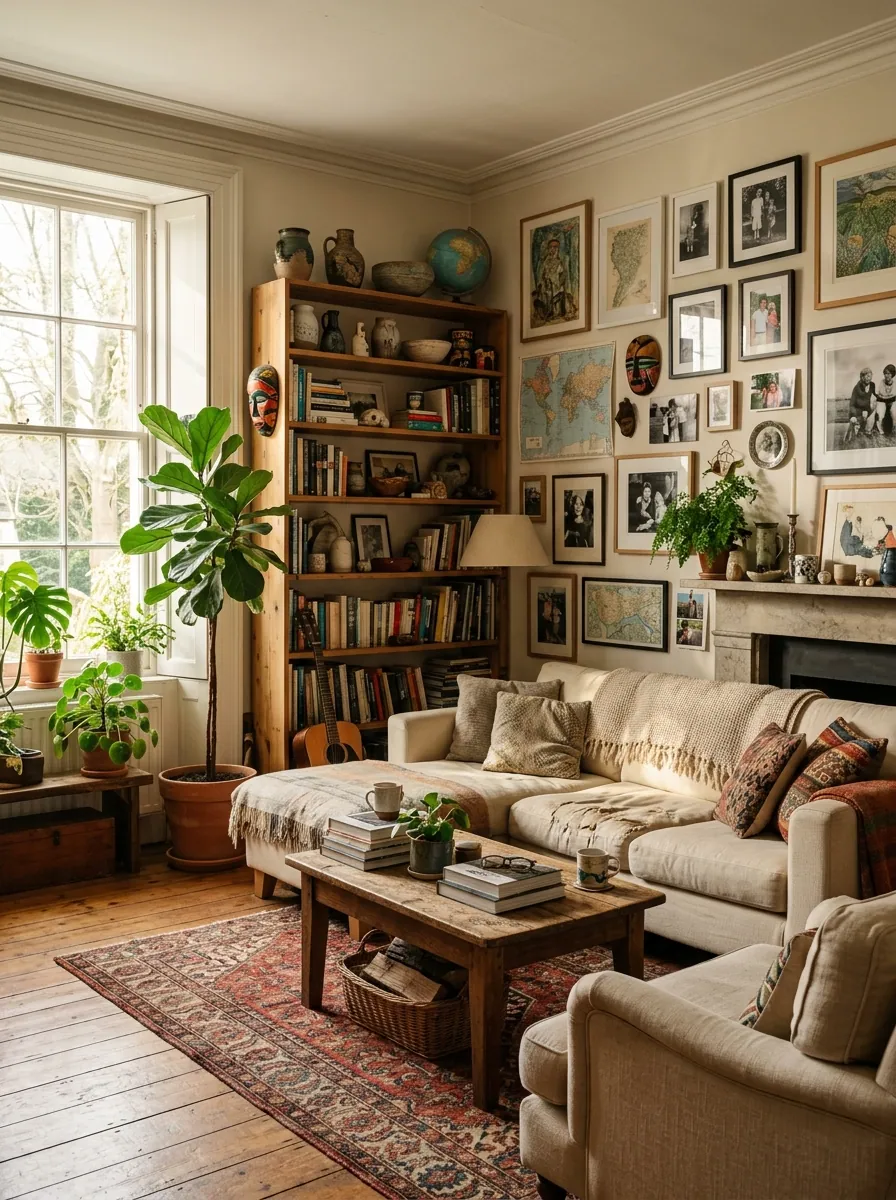
Perhaps the most important design direction for 2026 is personalization.
A home shouldn’t feel like it could belong to anyone.
Display artwork you genuinely enjoy. Keep books you actually read. Frame photographs, display travel finds, or use furniture that has been passed through your family.
These details don’t need to follow a particular decorating style.
In fact, the little things that don’t perfectly match can sometimes be what makes a room feel most authentic.
A beautiful home isn’t just visually appealing.
It should tell you something about the people who live there.
13. Try Color Drenching in a Softer Way
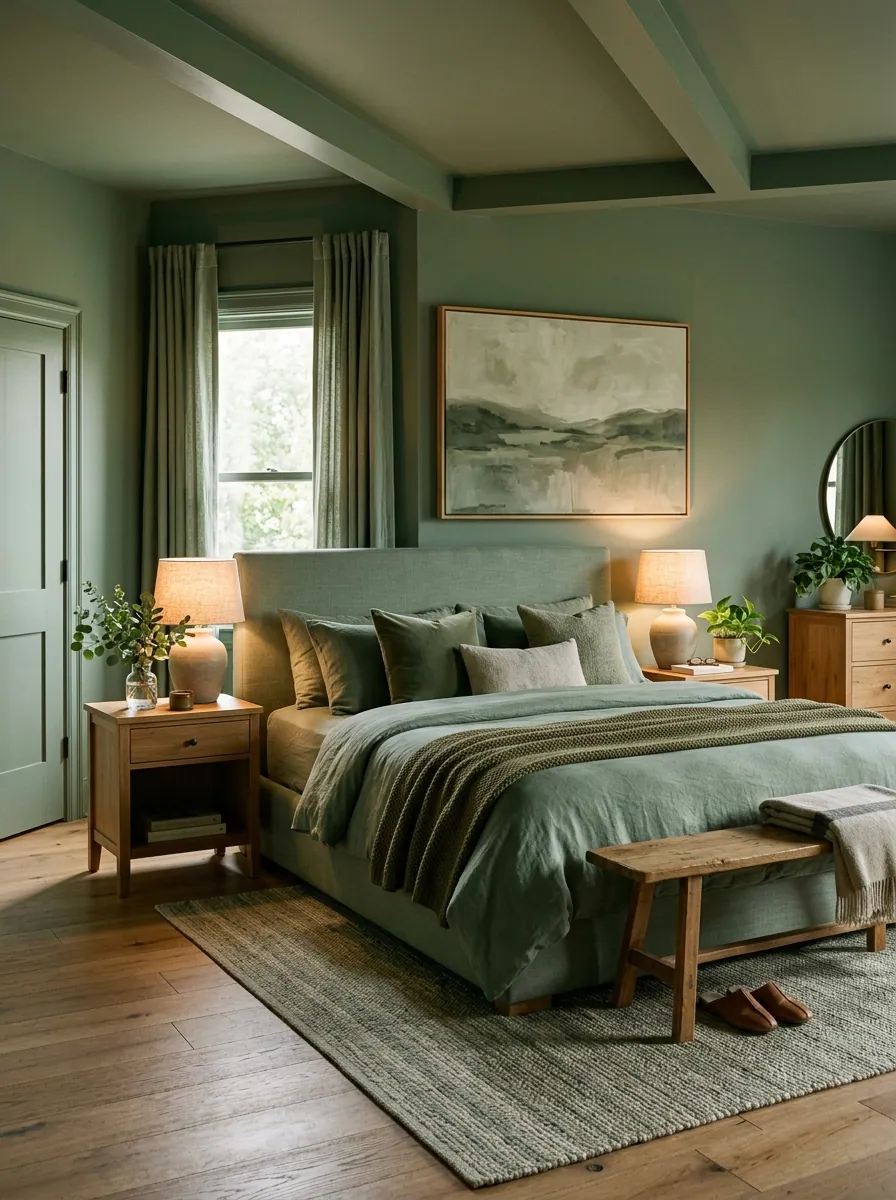
Color drenching creates a more immersive effect by carrying a similar color across multiple surfaces.
Walls, trim, doors, and sometimes furniture can share related tones.
If you’re nervous about using strong color, start with a muted shade.
Soft sage, dusty blue, warm beige, muted pink, and earthy brown can create the effect without becoming overwhelming.
This technique can also work particularly well in smaller rooms because the consistent color reduces visual interruptions.
14. Bring Nature In Without Overloading the Room With Plants
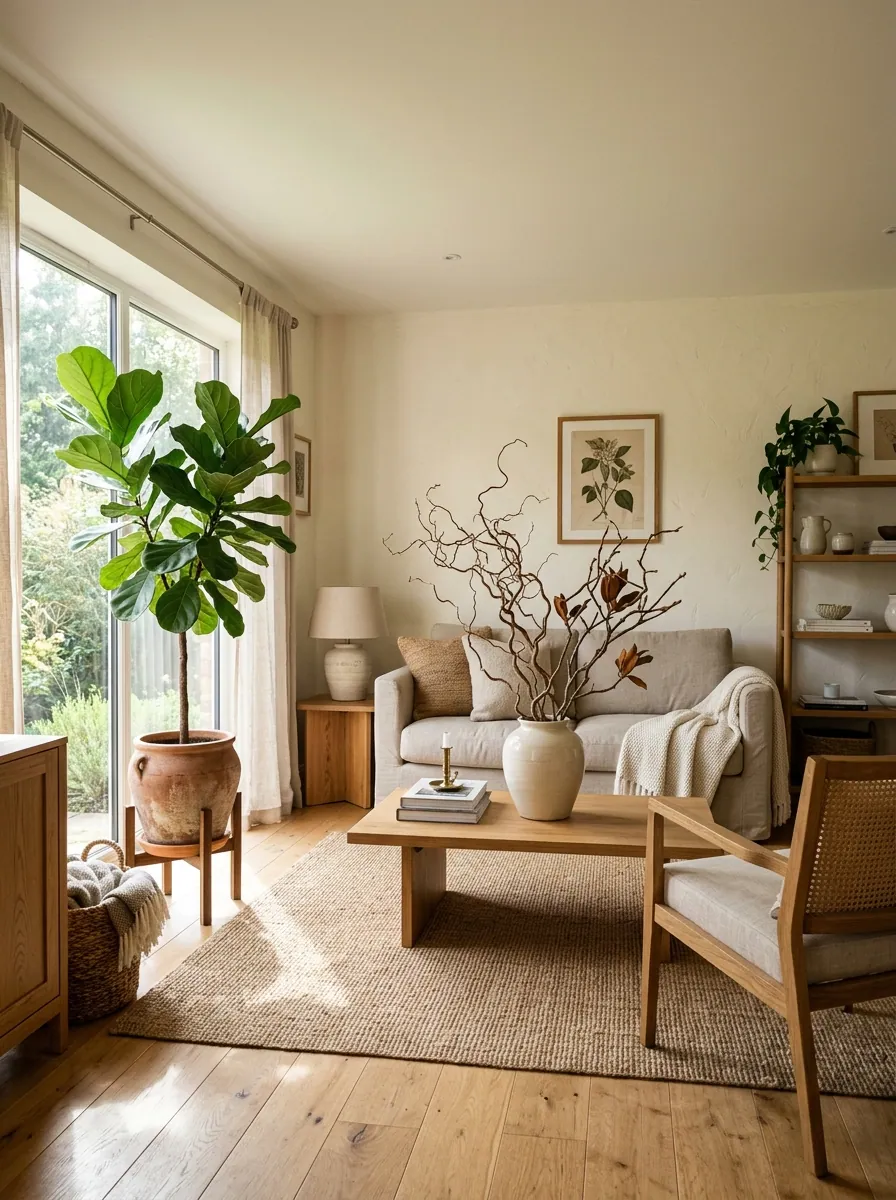
Biophilic decorating isn’t simply about filling every shelf with houseplants.
Natural materials and organic shapes can create the same connection with nature.
Try sculptural branches, dried grasses, botanical artwork, natural stone, wooden furniture, woven materials, or one large plant.
The trick is restraint.
A few strong natural elements can have more visual impact than dozens of tiny plants scattered around the room.
15. Turn Lighting Into Artwork
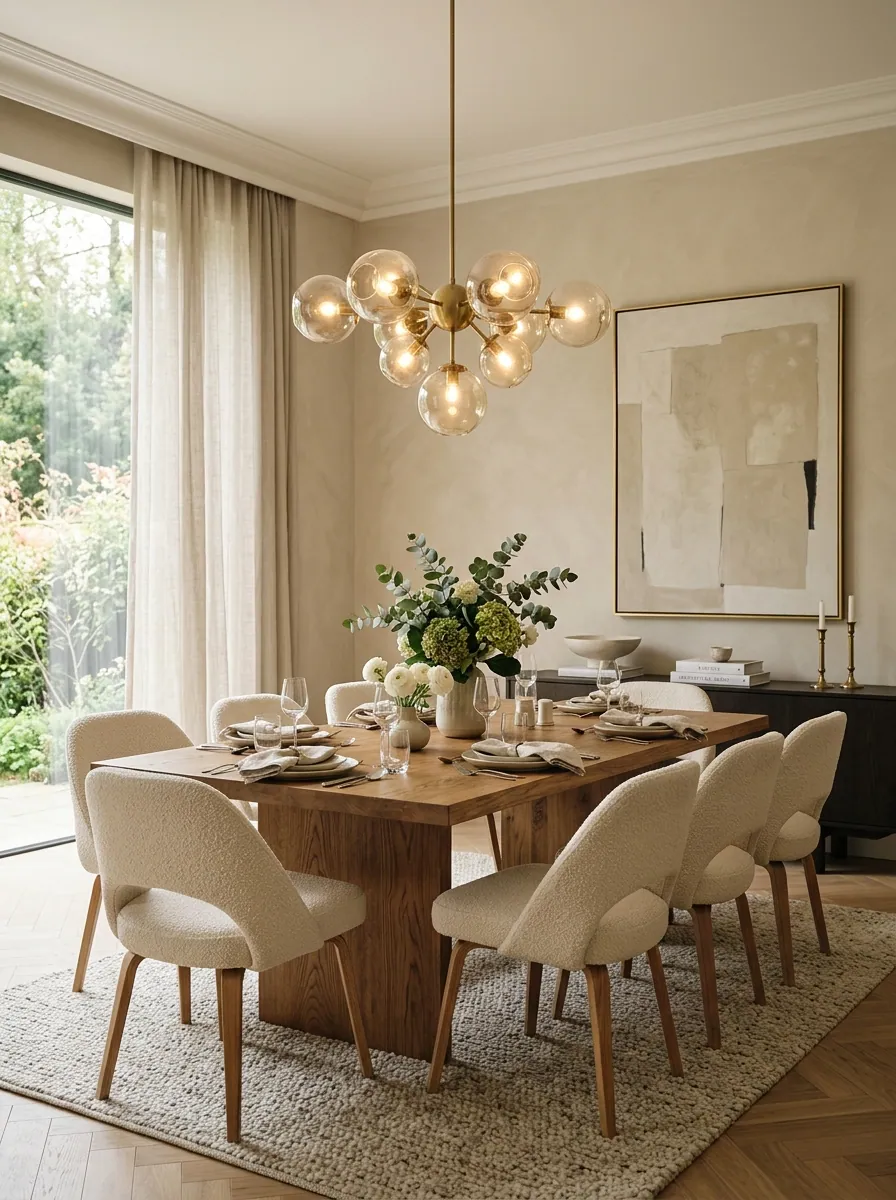
Lighting no longer has to disappear into the background.
A sculptural pendant or distinctive lamp can become one of the main decorative elements in a room.
This works particularly well when the rest of the room is relatively simple.
Instead of filling a minimalist dining room with accessories, let one interesting pendant provide the focal point.
When choosing statement lighting, consider scale carefully.
A fixture should feel substantial enough for the room without overwhelming the furniture underneath it.
16. Add Retro Details Without Creating a Time Capsule
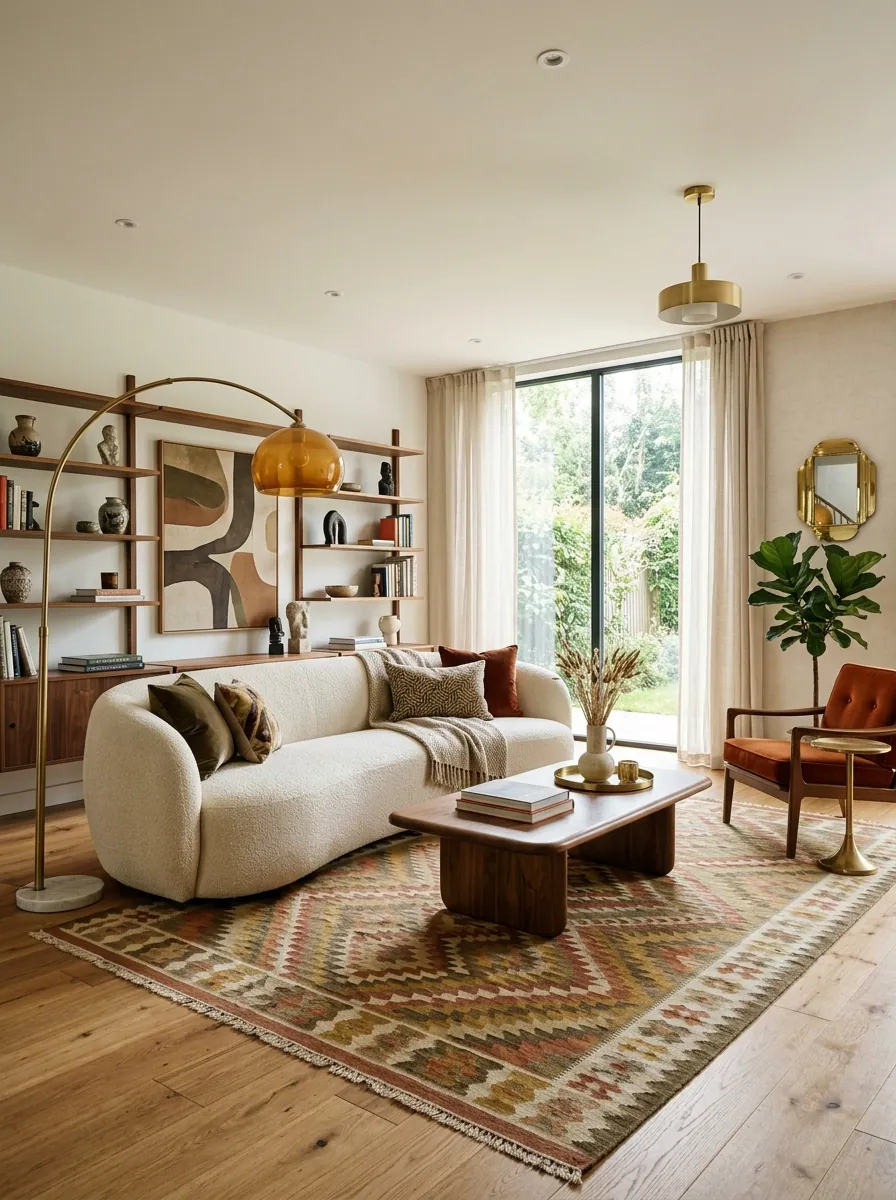
Retro influences are returning, but they don’t need to dominate the room.
A walnut sideboard, rounded chair, vintage-inspired lamp, muted geometric rug, or brass accent can provide just enough nostalgic character.
The secret is mixing these details with contemporary pieces.
You want the room to feel inspired by the past rather than frozen in it.
Choose one or two retro references and let modern materials and simpler styling balance them.
17. Design Around Comfort First
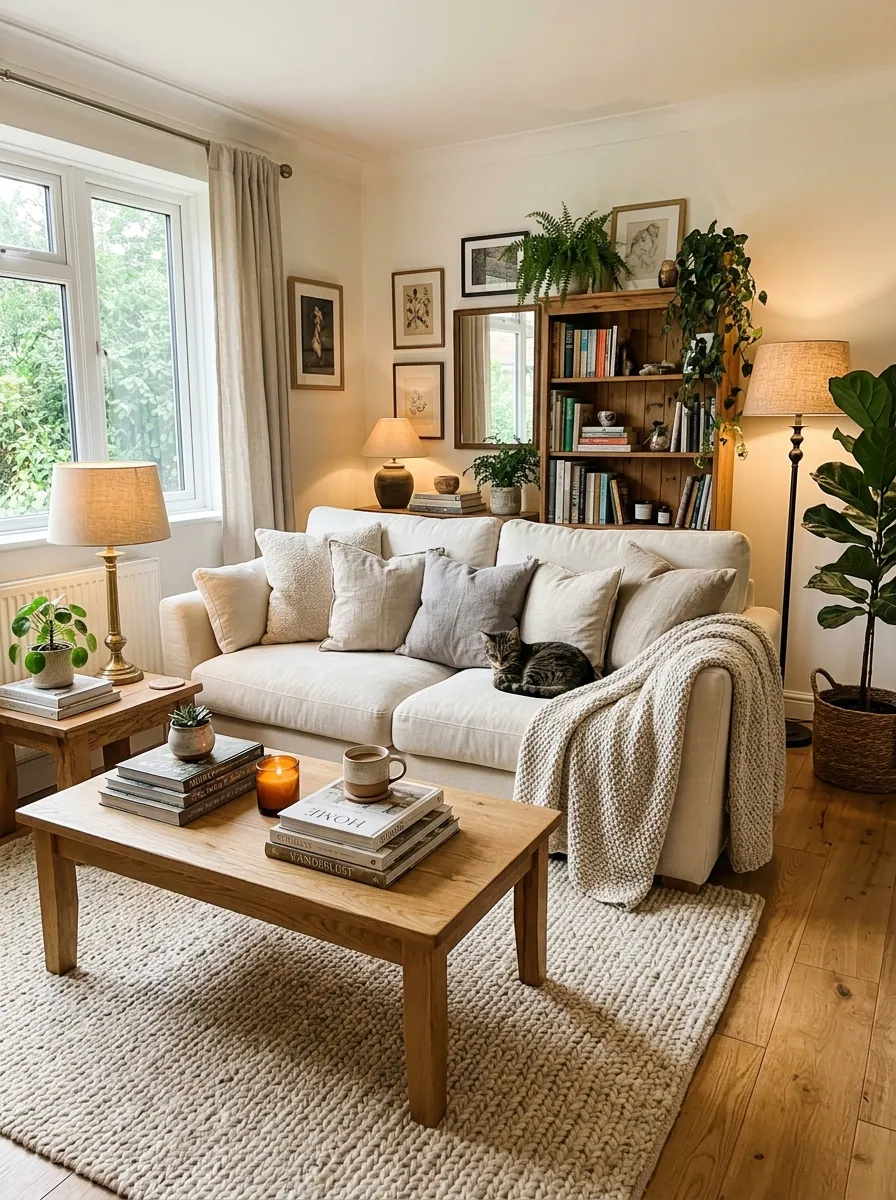
A room can look beautiful and still fail if nobody wants to spend time in it.
Comfort-first design puts everyday life ahead of creating a perfect photograph.
Choose sofas you actually want to sit on. Use softer lighting. Add rugs where floors feel cold. Keep blankets nearby. Give frequently used objects convenient storage.
This doesn’t mean sacrificing style.
Comfortable furniture, natural materials, thoughtful lighting, and a restrained palette can look incredibly sophisticated together.
The best home is ultimately one that feels good to live in.
How to Use 2026 Trends Without Making Your Home Look Overly Trendy
The easiest mistake is trying to introduce every trend into one room.
Instead, choose two or three ideas that already make sense for your home:
- A neutral living room could combine natural wood, curved furniture, and layered lighting.
- A bedroom could use earthy colors, tactile materials, and vintage accessories.
- A kitchen could introduce natural wood, expressive color, and better lighting.
The trend should support the room—not become the entire personality of the room.
2026 Decor Ideas That Work Well for Renters
You can use many of these ideas without making permanent changes:
- Layered Lighting: Use floor lamps, table lamps, and plug-in sconces instead of changing electrical fixtures.
- Natural Texture: Add rugs, throws, baskets, linen-look curtains, and wooden accessories.
- Vintage Furniture: Secondhand furniture can add personality without requiring structural changes.
- Removable Artwork: Large framed artwork can completely change a wall without permanent alterations.
- Color Through Accessories: Introduce earthy or moody shades through pillows, blankets, rugs, and artwork.
- Plants: Greenery is one of the simplest ways to make a rental feel more personal.
How to Make 2026 Trends Feel Timeless
Trends are easier to live with when they’re used in small, changeable layers.
Keep expensive or difficult-to-replace elements relatively timeless:
- Flooring
- Major furniture
- Kitchen cabinets
- Bathroom fixtures
- Built-in storage
Then experiment with trends through:
- Paint
- Lighting
- Artwork
- Rugs
- Cushions
- Throws
- Accessories
- Small furniture
This allows your home to evolve without requiring a complete redesign every year.
2026 Color Combinations Worth Trying
If you want to introduce more warmth, start with combinations that are easy to live with:
- Cream + Natural Oak: Light, warm, and versatile.
- Chocolate Brown + Warm White: Rich without feeling overly dramatic.
- Sage Green + Cream: Calm and naturally fresh.
- Terracotta + Beige: Earthy and welcoming.
- Moody Blue + Warm Wood: Sophisticated with plenty of depth.
- Muted Pink + Brown: Soft, warm, and surprisingly grown-up.
Which 2026 Trends Should You Try First?
If you’re not sure where to start, focus on changes that make a noticeable difference without requiring major spending:
- Layered Lighting: One of the fastest ways to change the atmosphere.
- Natural Wood: Works with almost every major decorating style.
- Earthy Colors: Easy to introduce through accessories and textiles.
- Vintage Pieces: Adds character without requiring a renovation.
- Better Texture: Makes even neutral rooms feel more interesting.
Start with one or two rather than attempting all five at once.
Home Decor Mistakes to Avoid in 2026
Following Every Trend
Your home doesn’t need to look like a catalog of the current year.
Making Everything Match
A little contrast gives rooms personality.
Buying Decorative Pieces Before Fixing Function
Storage, lighting, layout, and comfortable furniture should come first.
Using Too Many Colors
A controlled palette allows individual colors to have more impact.
Ignoring Scale
Oversized furniture can make a small room feel cramped, while tiny furniture can make a large room feel disconnected.
Filling Every Surface
Negative space helps the things you love actually stand out.
Choosing Looks Over Comfort
If a chair looks beautiful but nobody wants to sit in it, it isn’t doing its job.
Frequently Asked Questions
What is the biggest home decor trend for 2026?
The broader direction is toward warmer, more personal, and more comfortable interiors. Natural materials, earthy colors, vintage pieces, layered lighting, and expressive details all support that shift.
Are neutral interiors still popular in 2026?
Yes. But neutrals are becoming warmer and more layered. Cream, beige, mushroom, warm white, brown, and natural wood can create more depth than cool gray alone.
How can I update my home without renovating?
Start with lighting, textiles, artwork, accessories, greenery, and small furniture. These changes can noticeably alter the atmosphere without touching the structure of the room.
What makes a home feel more expensive?
Good proportions, thoughtful lighting, natural materials, visual calm, and fewer but better-selected accessories often have more impact than simply buying expensive decorations.
Do I need to follow home decor trends?
No. Trends are most useful as sources of ideas. Choose the ones that fit your home, lifestyle, and personal taste.
How do I make trendy decor look personal?
Mix newer pieces with things you already own. Display meaningful objects, use artwork you actually like, and avoid purchasing an entire room from the same collection.
What colors are trending for home decor in 2026?
Warm earthy shades such as brown, terracotta, olive, cream, beige, muted blue, and other grounded tones are strong choices for creating warmer interiors.
Final Thoughts
The most interesting home decor direction in 2026 isn’t about one particular color or furniture style. It’s about creating homes that feel warmer, more comfortable, more natural, and more personal.
Natural wood can soften a modern room. Vintage pieces can give a new home character. Layered lighting can completely change the evening atmosphere. Earthy colors can make neutral spaces feel richer.
But you don’t need to adopt all of these ideas. Choose the ones that genuinely make your home better. Add one warmer material. Improve one lighting area. Introduce one piece with history. Create one comfortable corner.
Then let the rest develop naturally. A home doesn’t need to be finished all at once—it should grow with you over time.