
A well-organized home doesn’t have to look overly minimal or feel like everything has been put away just for the sake of being tidy. The best organization ideas make everyday life easier while still allowing a home to feel warm, personal, and lived in.
The biggest difference often comes from giving frequently used things a logical home. When shoes have a place near the entrance, kitchen counters have less visual clutter, and bedroom storage actually works for the way you live, the entire space can feel calmer without requiring a major makeover.
Organization can also become part of the decor. Woven baskets, wooden shelves, attractive containers, trays, hooks, cabinets, and even open shelving can add texture and personality while helping control clutter.
Whether you live in a small apartment or a larger house, these home organization ideas can help you make better use of the space you already have.
1. Create a Calm Entryway Drop Zone
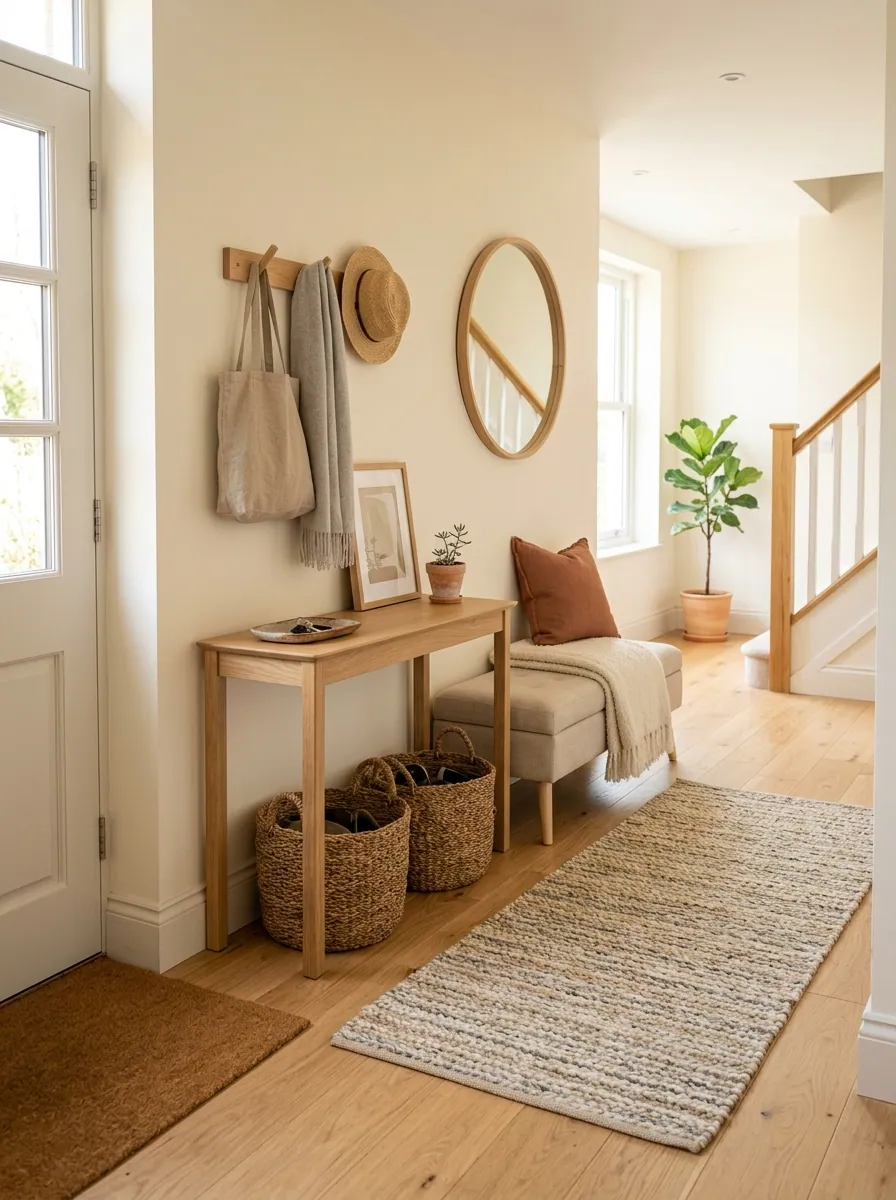
The entryway is one of the easiest places for clutter to accumulate because it is where everyday items naturally land.
Instead of trying to keep the area completely empty, create an intentional drop zone. A small tray can hold keys and sunglasses, while hooks handle bags and jackets.
A basket underneath the console can hide shoes, scarves, or other items that would otherwise end up scattered across the floor.
2. Use Baskets to Hide Everyday Clutter
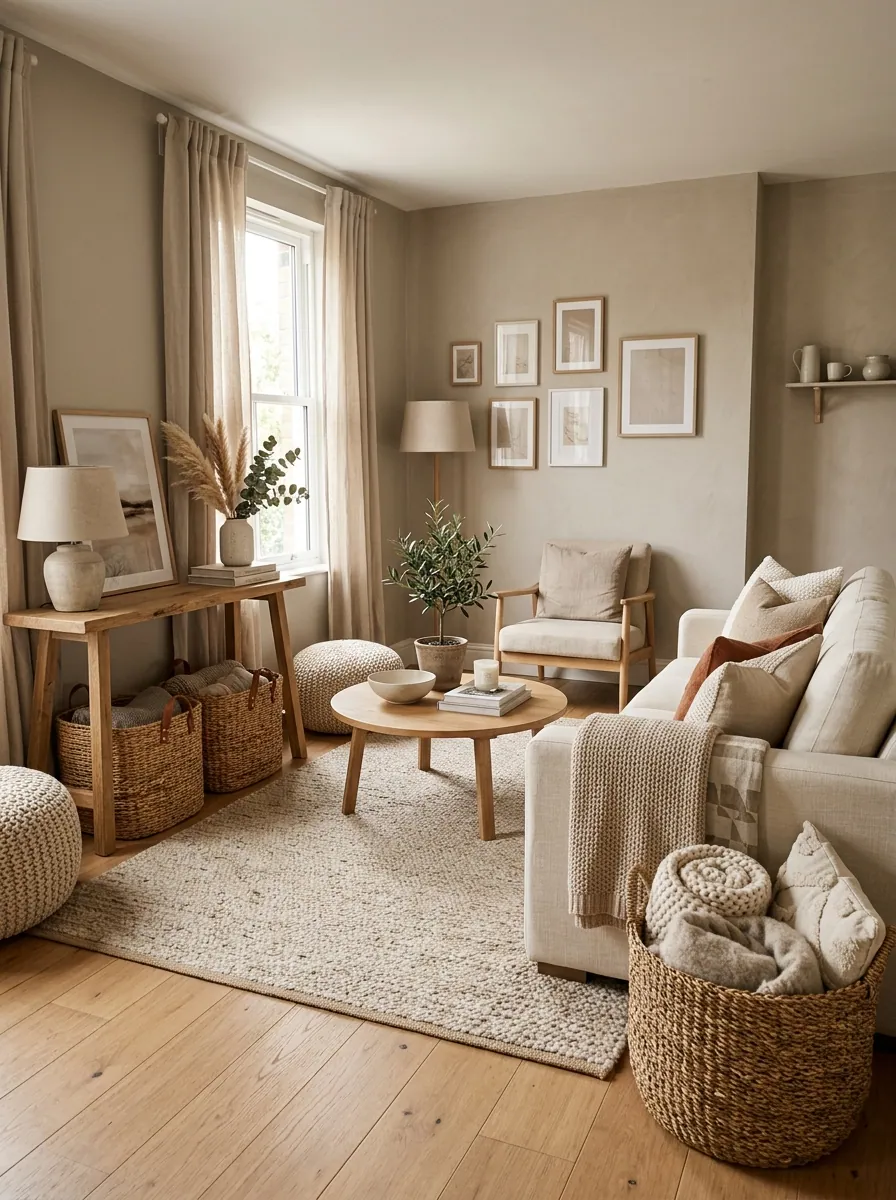
Baskets are one of the simplest ways to make organization look decorative rather than purely functional.
Use larger baskets for blankets, pillows, toys, or extra linens. Smaller baskets can organize shelves and cabinets.
Choose baskets that complement the colors and materials already in the room so the storage becomes part of the overall design.
3. Turn a Small Wall Into Useful Storage
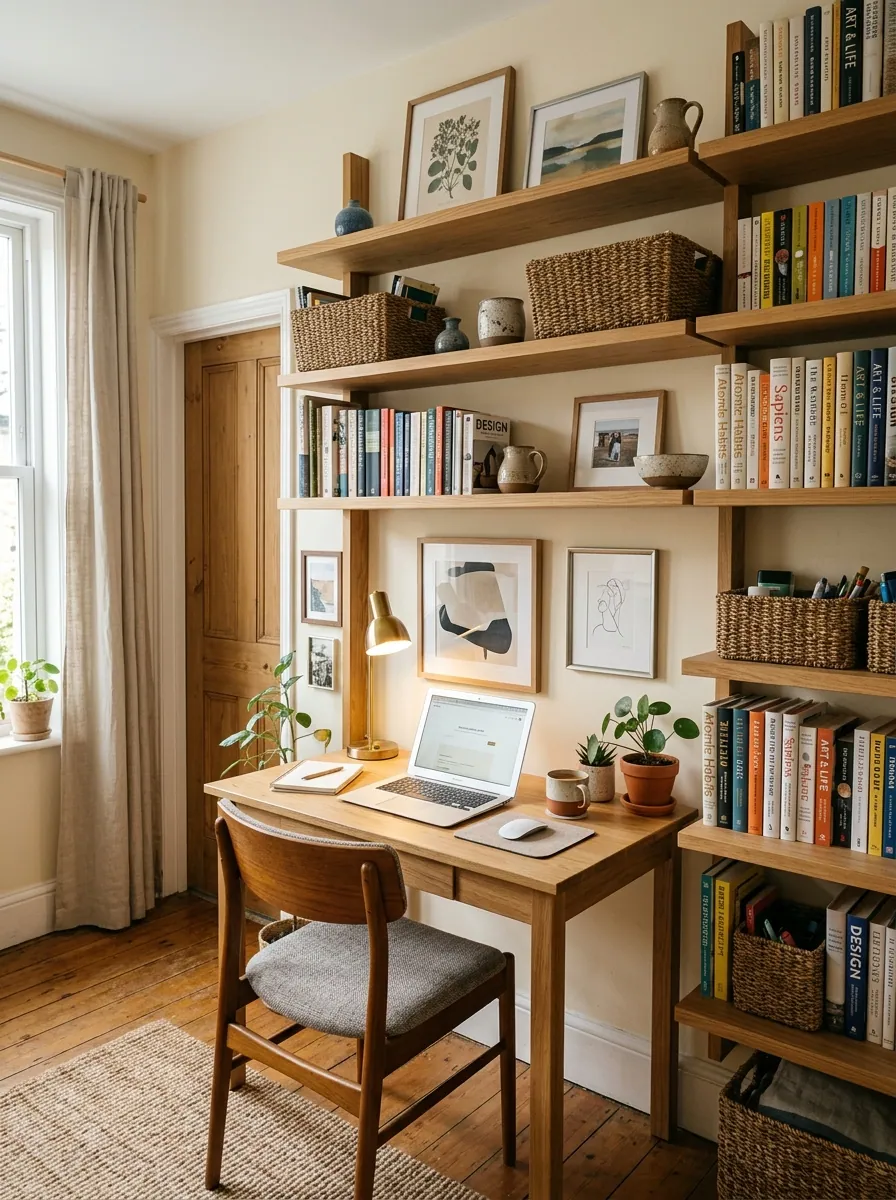
When floor space is limited, look upward.
Vertical shelving makes use of walls that might otherwise remain empty while keeping important items accessible.
The key is to avoid filling every shelf. Leave some open space between objects so the storage feels intentional rather than crowded.
4. Give the Kitchen Counter a Clear System
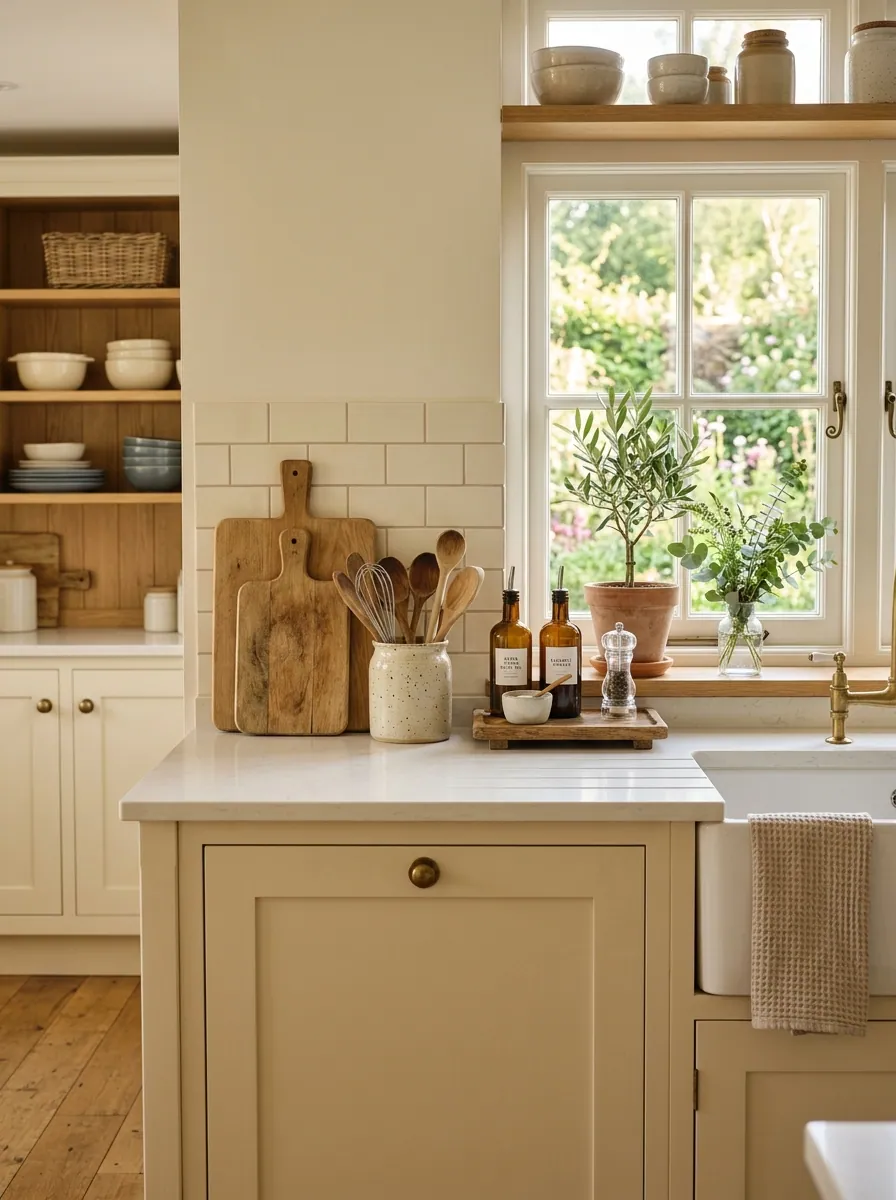
Kitchen counters can quickly become one of the most visually cluttered surfaces in a home.
Instead of removing everything, group the items you actually use into small zones.
A tray can hold oils and frequently used seasonings, while a ceramic container can keep cooking utensils together. This keeps useful objects accessible without allowing them to spread across the counter.
5. Add a Slim Storage Cabinet
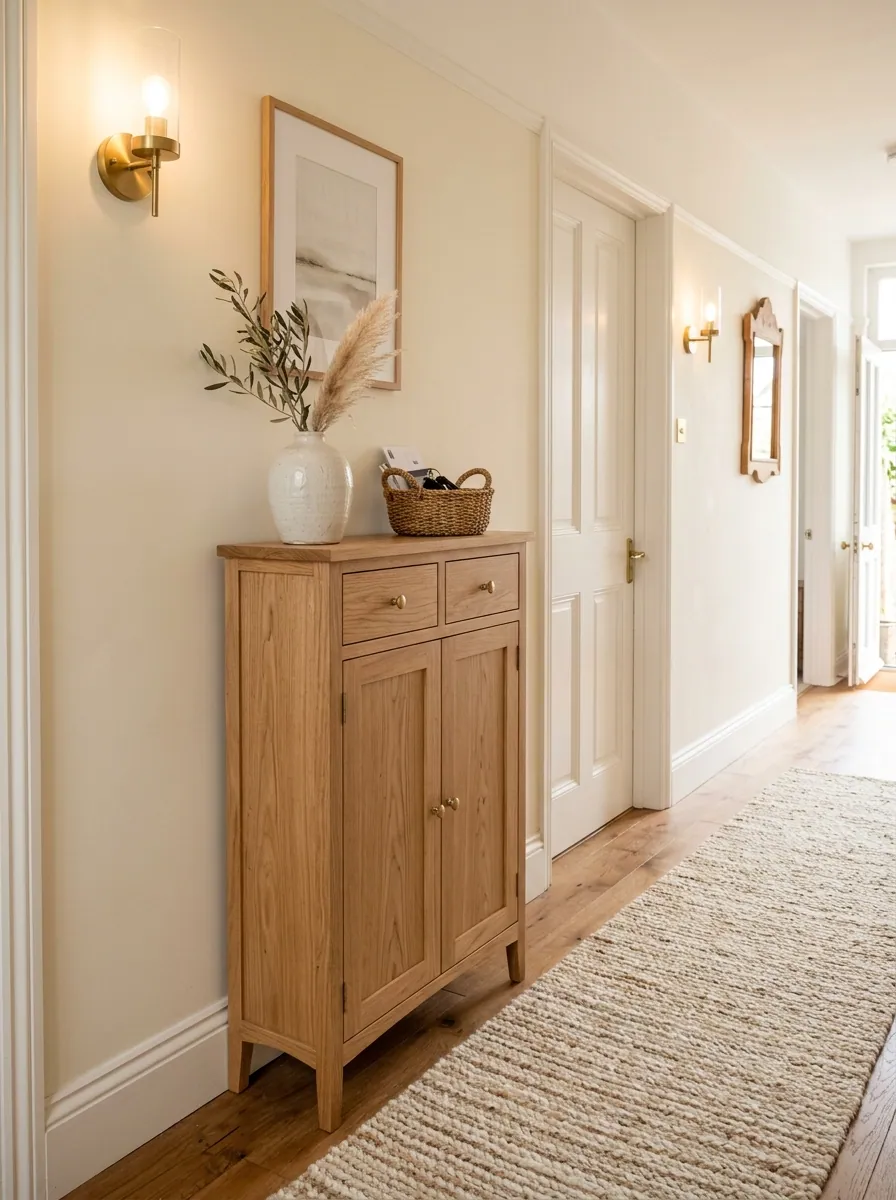
A narrow cabinet can provide surprisingly useful storage without taking up much floor space.
Use one in a hallway, dining room, bedroom, or living room for items that need to stay accessible but shouldn’t remain visible.
Look for a design with simple lines and a finish that matches the rest of the room.
6. Make the Nightstand Work Harder
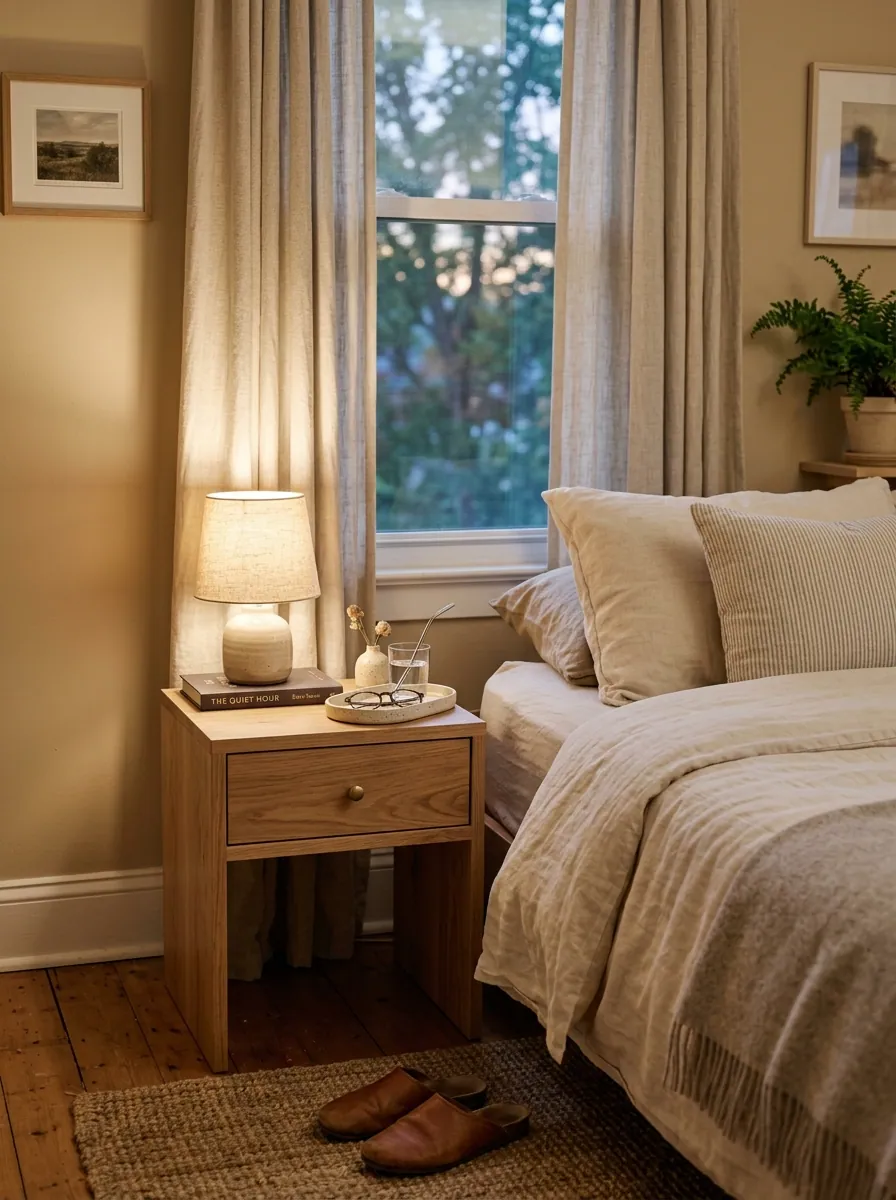
A nightstand doesn’t need to become a storage pile.
Keep only the things you regularly use within reach and use the drawer for everything else.
A small tray can gather glasses, jewelry, or a phone while maintaining a clean visual surface.
7. Use Under-Bed Storage
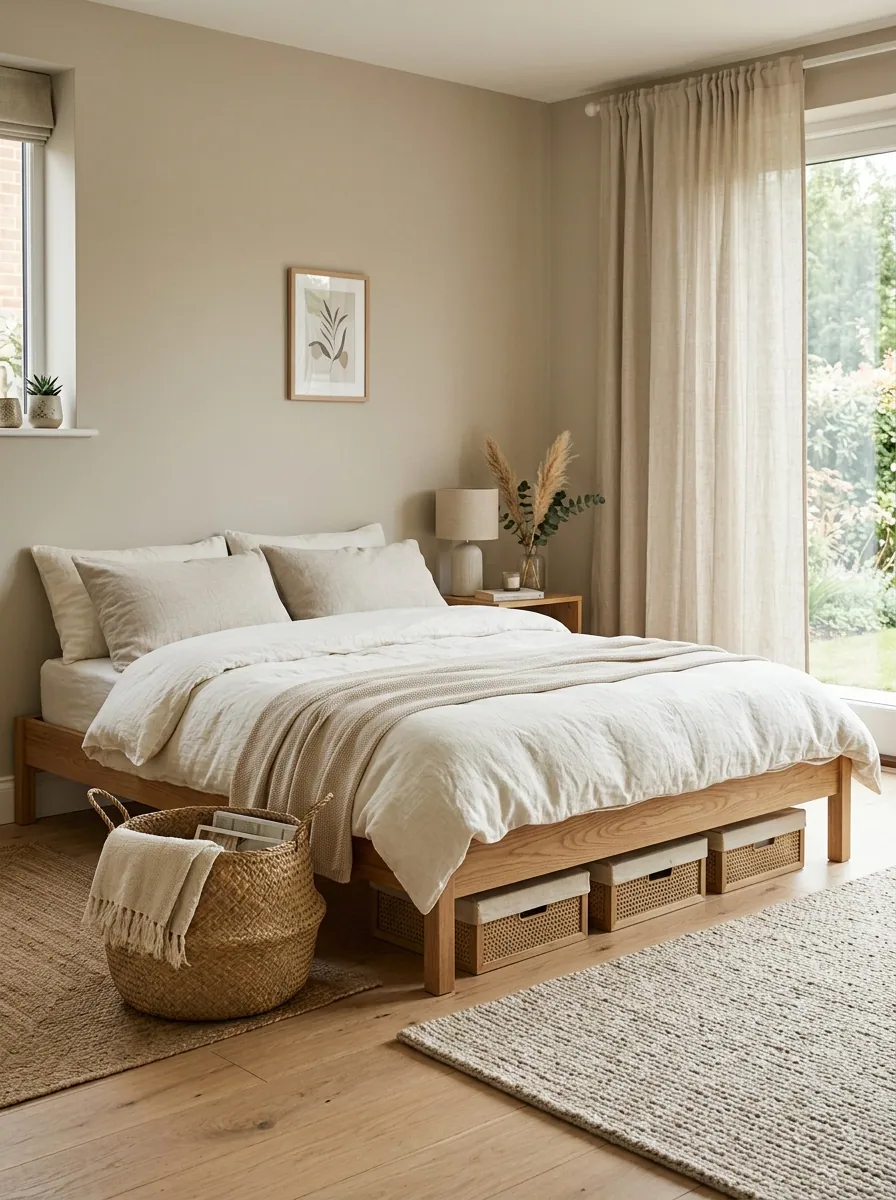
The space underneath your bed is valuable storage territory, especially in a small bedroom.
Use low-profile containers for seasonal clothing, spare bedding, shoes, or items you don’t need every day.
Choose matching containers or boxes when possible so the storage looks intentional rather than improvised.
8. Create a Dedicated Coffee Station
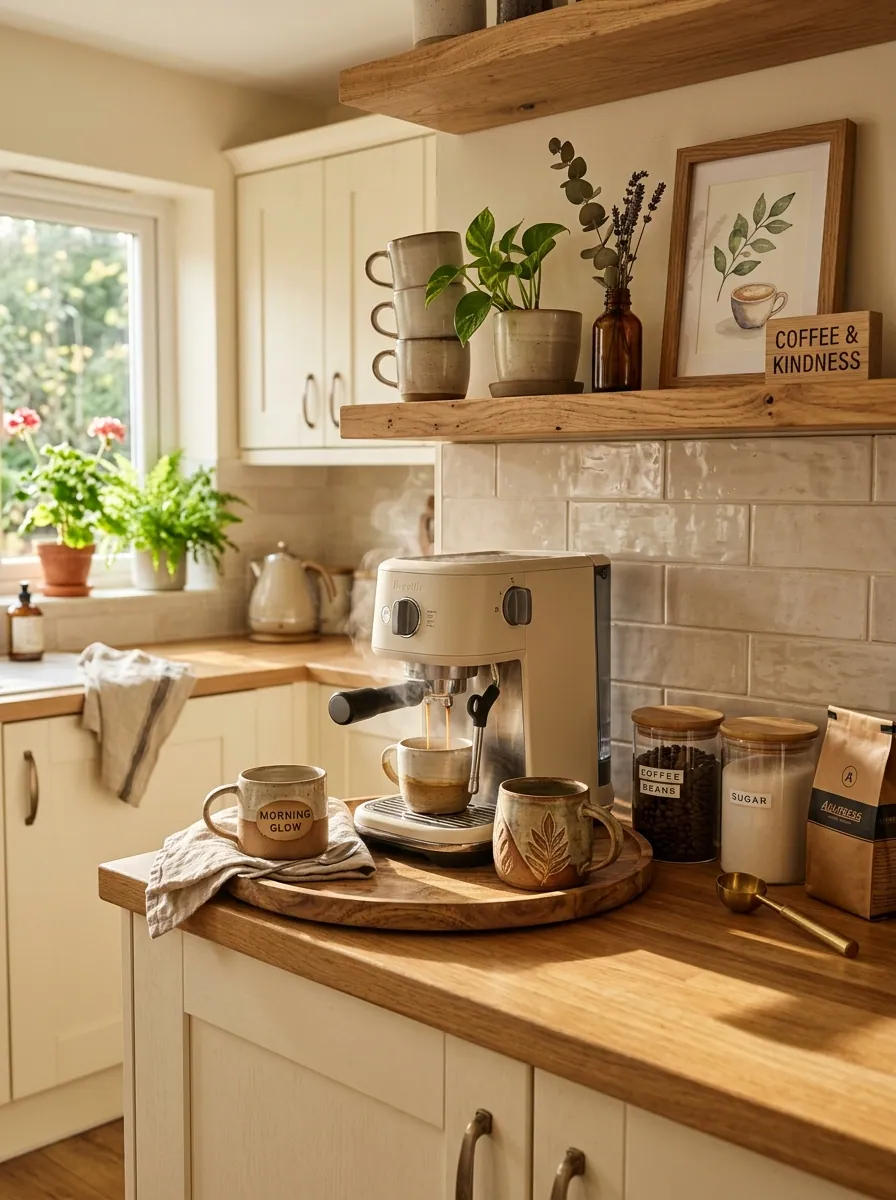
A dedicated coffee station can prevent coffee supplies from spreading across the kitchen.
Keep mugs, coffee, filters, and frequently used accessories within one small area.
Open shelving or a tray can make the setup feel like a styled corner rather than another storage station.
9. Organize Open Shelves by Function
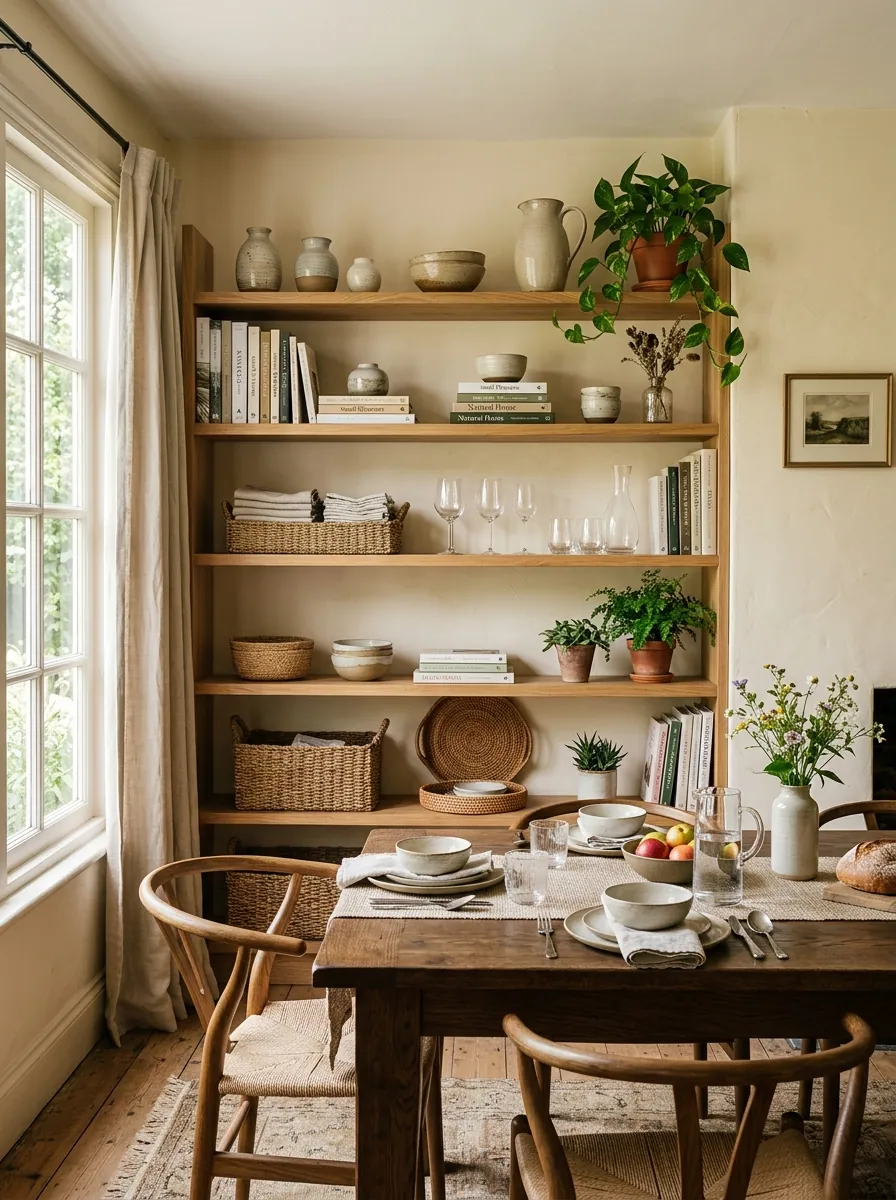
Open shelving works best when it has some structure.
Instead of placing random objects everywhere, group similar items together. One shelf might hold ceramics while another combines books with decorative pieces.
This makes the shelf easier to use and visually calmer.
10. Add a Storage Bench
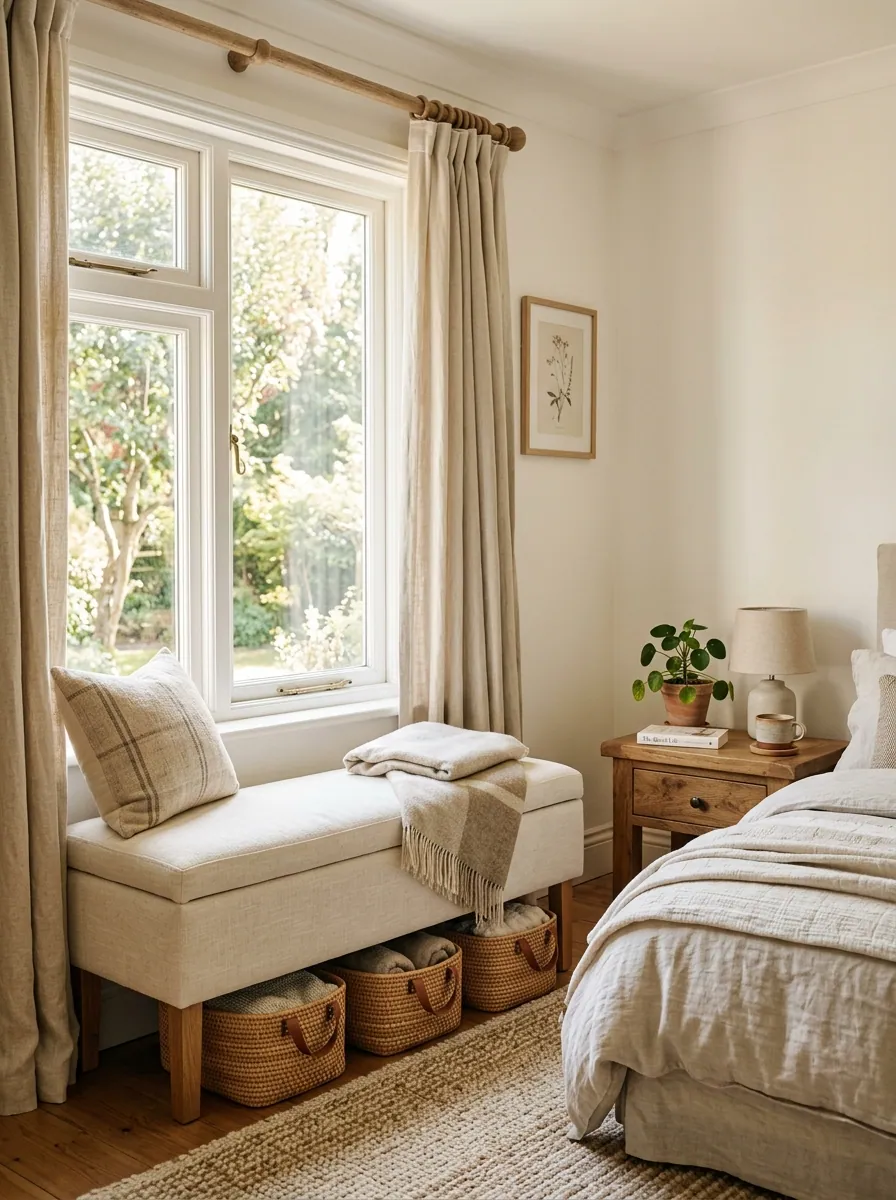
A storage bench gives you both seating and hidden storage.
Place one at the end of a bed, beneath a window, or in an entryway.
Use the hidden compartment for blankets, seasonal accessories, shoes, or other items that don’t need to remain visible.
11. Give the Bathroom Vanity a System
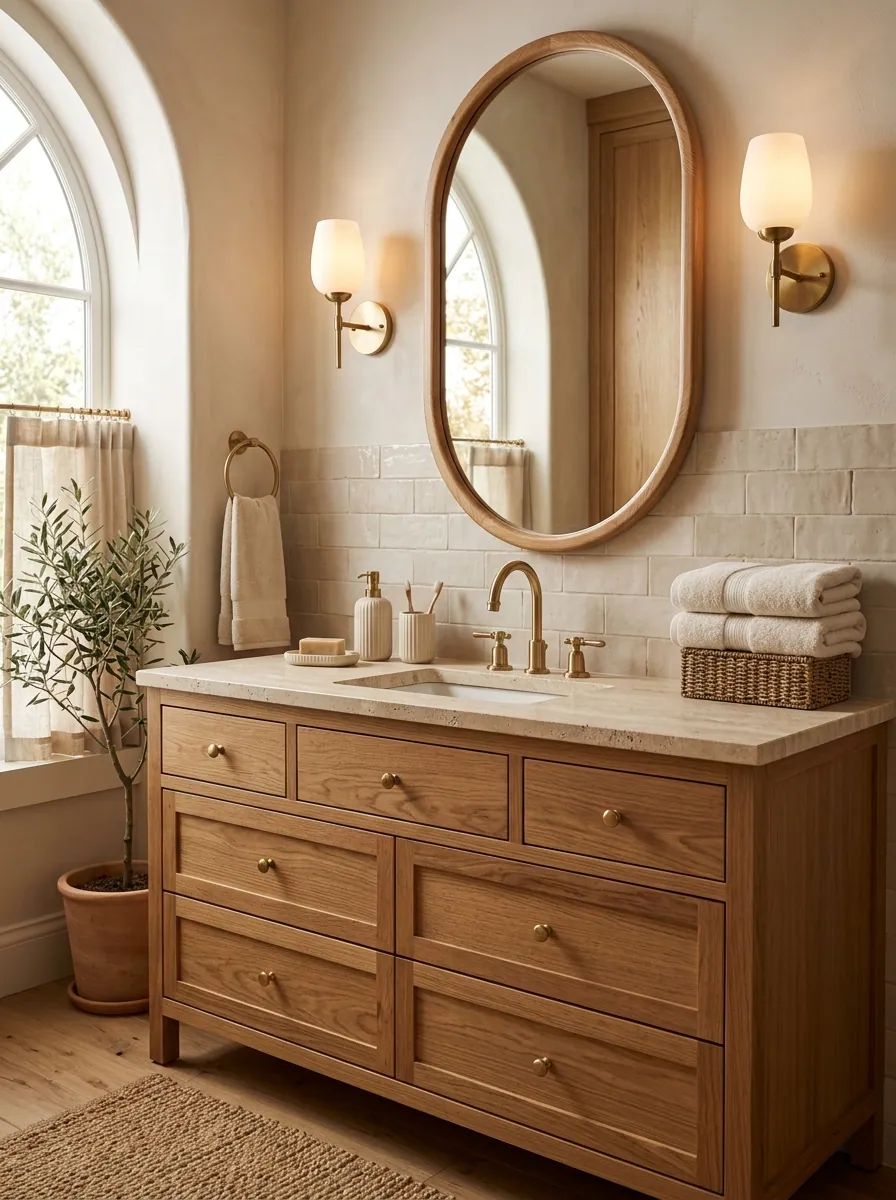
Bathroom counters often look messy because many small products compete for attention.
Use drawers, small containers, and trays to separate everyday products from less frequently used items.
Keep only the products you use daily visible on the countertop.
12. Use a Peg Rail for Everyday Items
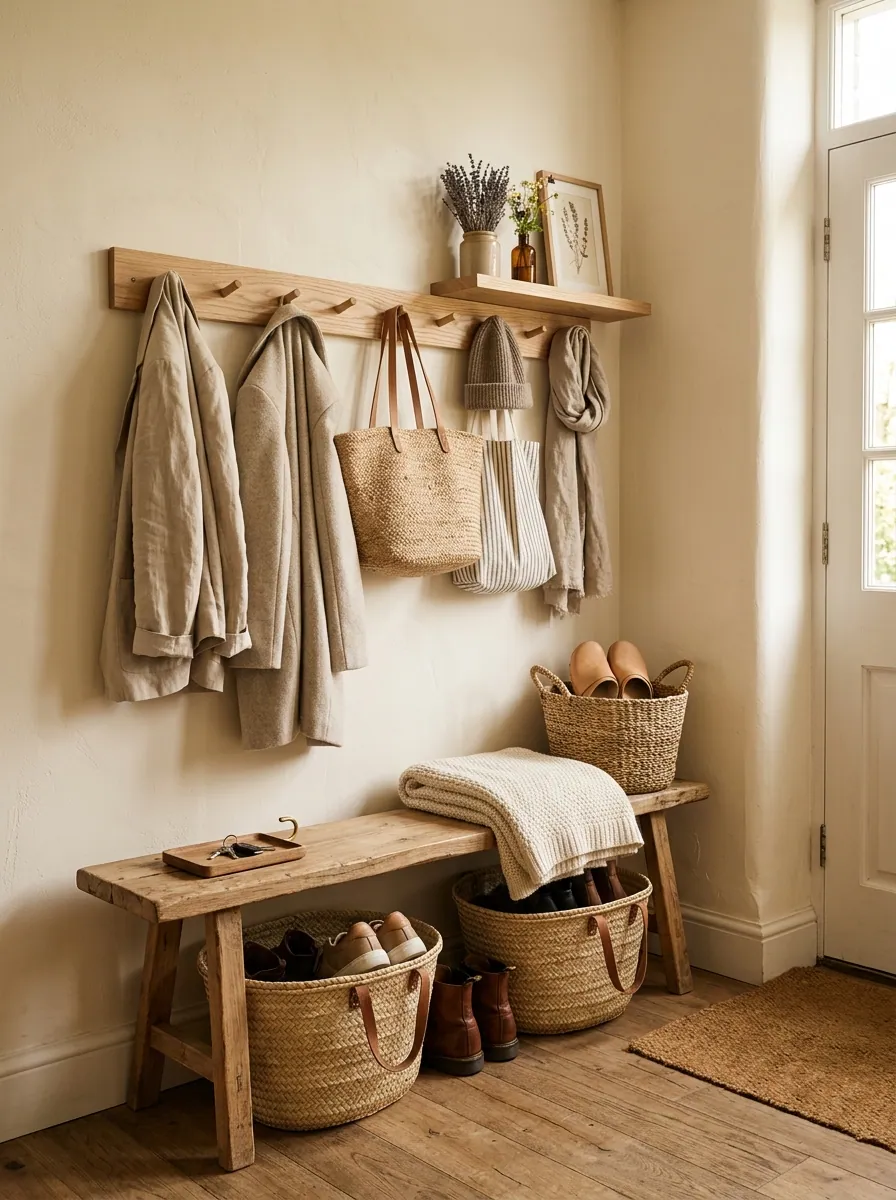
A peg rail is an easy way to turn unused wall space into functional storage.
It works particularly well for coats, bags, hats, towels, kitchen tools, or accessories.
Because everything hangs vertically, it can provide storage without requiring another piece of furniture.
13. Create a Hidden Charging Station
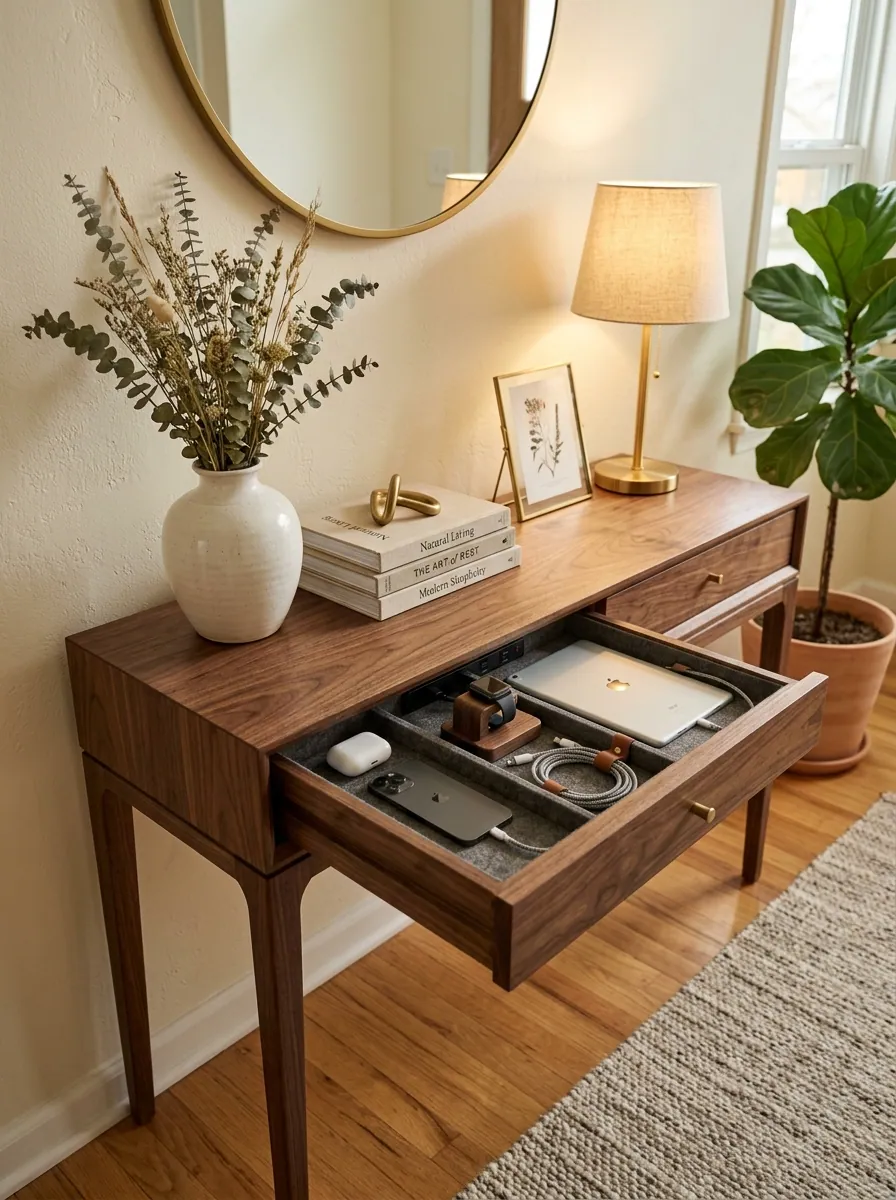
Charging cables can create surprisingly noticeable visual clutter.
A drawer with a power outlet or cable-management opening can turn the charging area into something almost invisible.
This is especially useful in living rooms, bedrooms, and home offices.
14. Use Matching Storage Containers
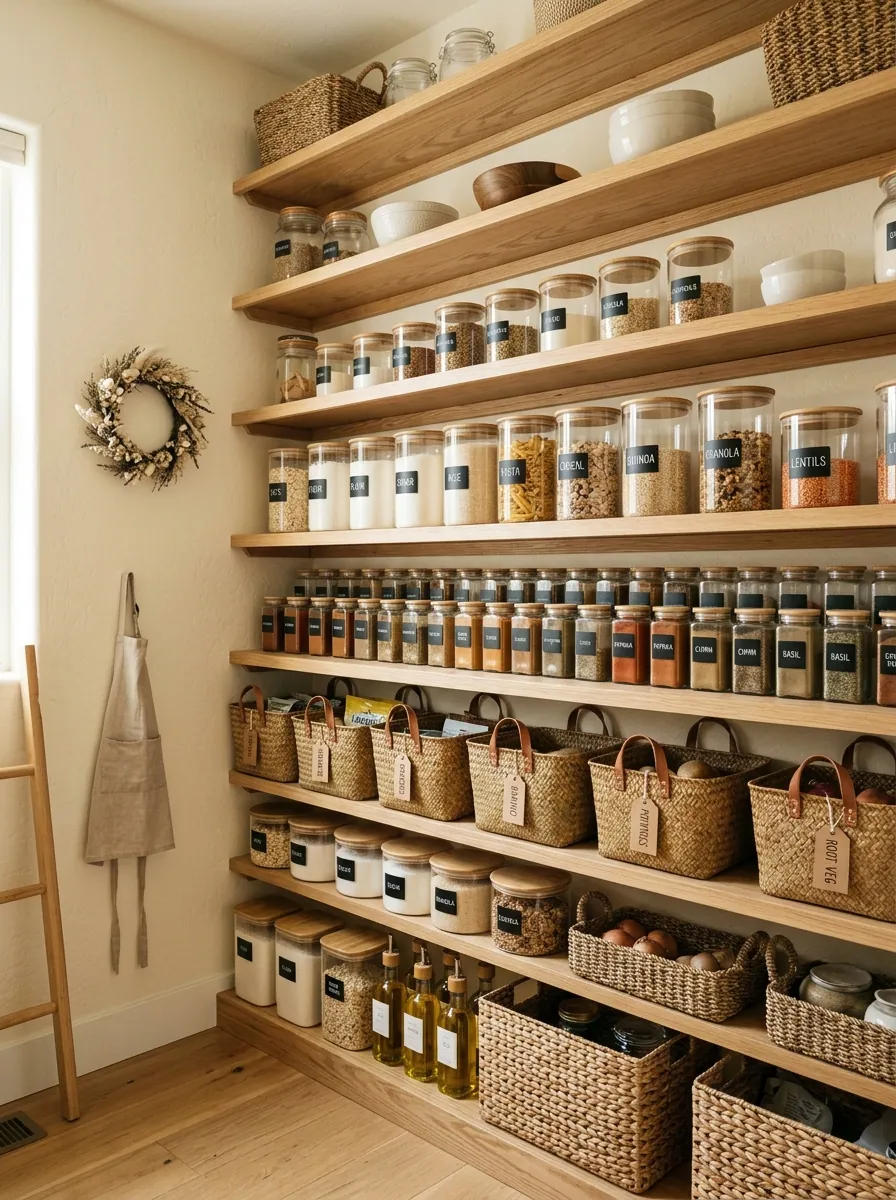
Matching containers can make even an ordinary storage area look significantly more organized.
They are especially useful in pantries, laundry rooms, bathrooms, and home offices.
You don’t need to replace everything at once. Start with the areas you use most often.
15. Make a Small Laundry Zone More Functional
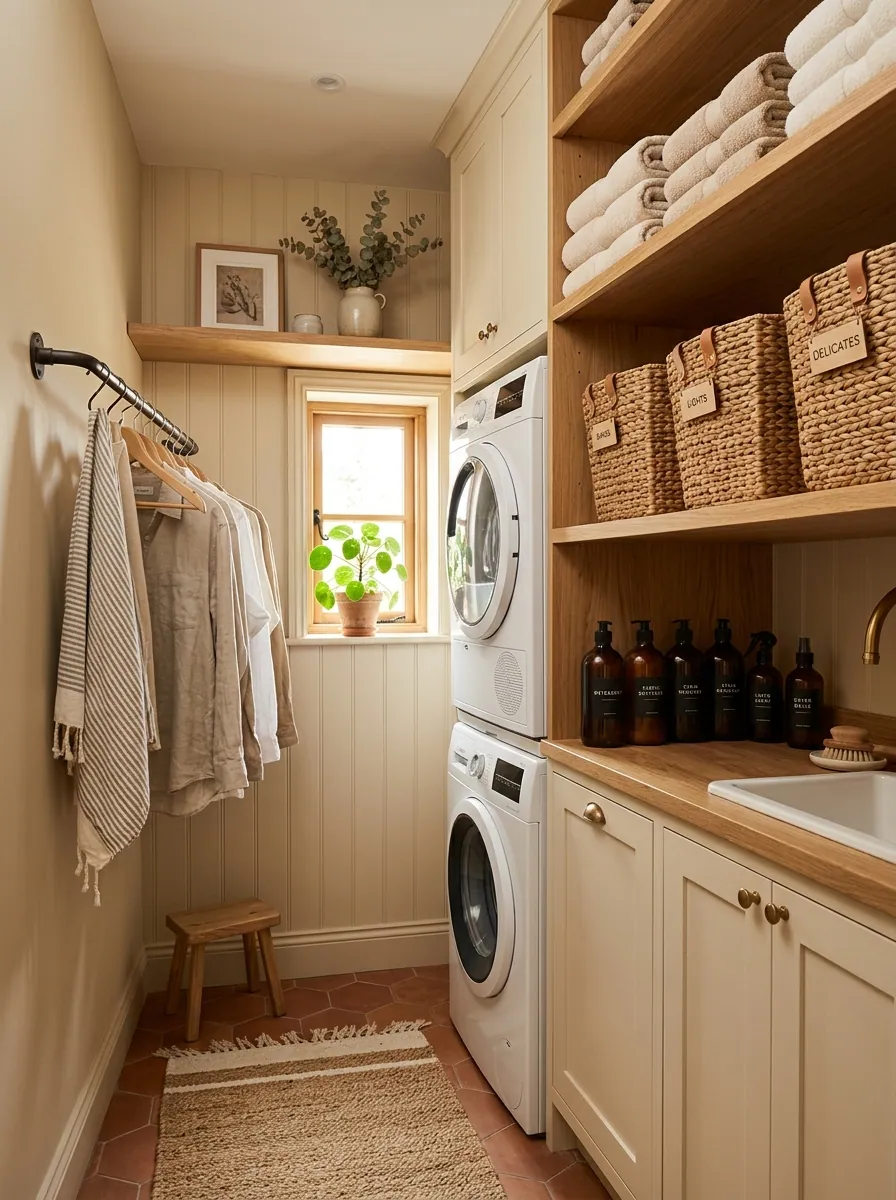
Laundry areas often need to perform several jobs in a small amount of space.
Use vertical shelves for detergent and supplies, baskets for sorting clothes, and hooks for items that need to air dry.
Keeping everything within easy reach can make laundry feel considerably less chaotic.
16. Add Floating Shelves Beside a Desk
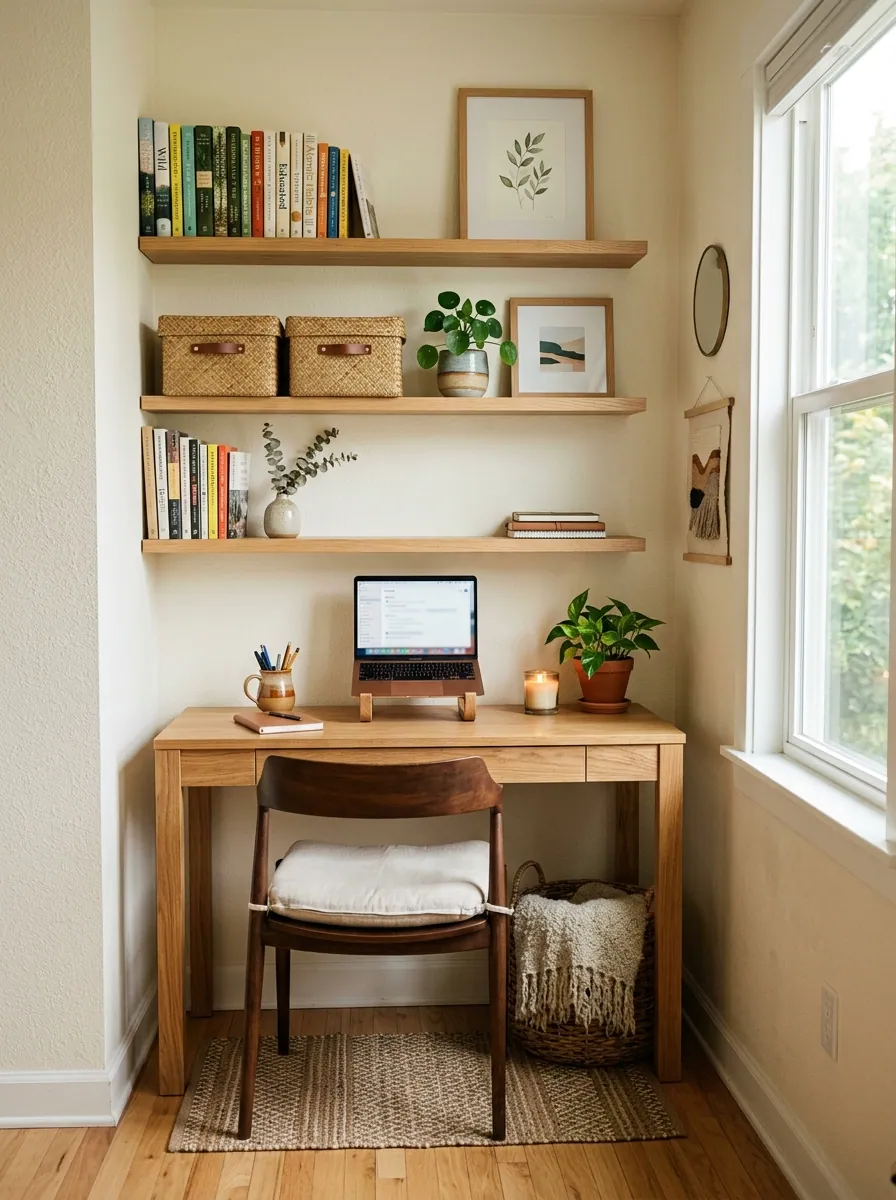
Floating shelves can keep a small desk from becoming overloaded.
Use them for books, notebooks, decorative objects, and small storage boxes.
Leave enough empty wall space around the shelves to keep the workstation feeling open.
17. Use a Dresser as a Storage Station
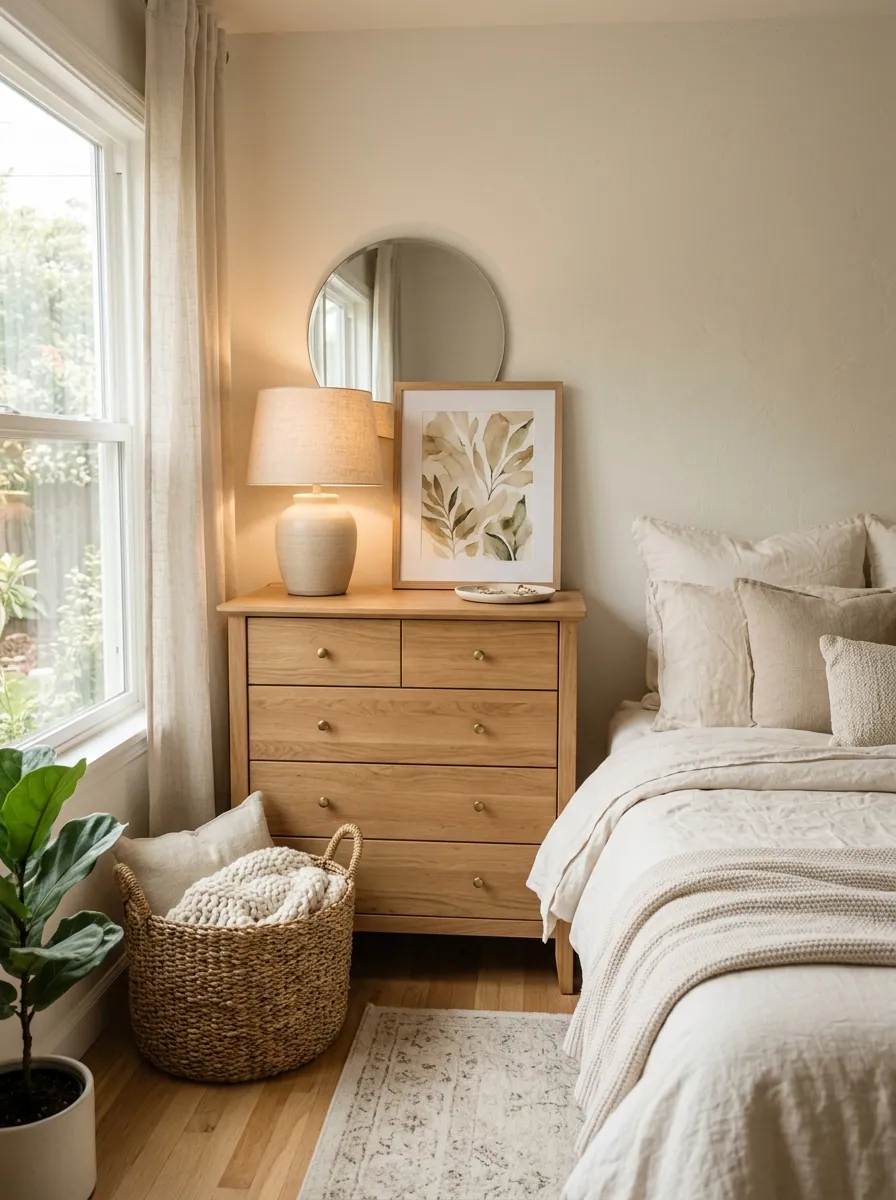
A dresser can do more than store clothing.
Use trays and small containers on top to organize jewelry, perfumes, watches, or other everyday accessories.
The result is a practical surface that still looks styled and intentional.
18. Create a Reading Corner With Storage
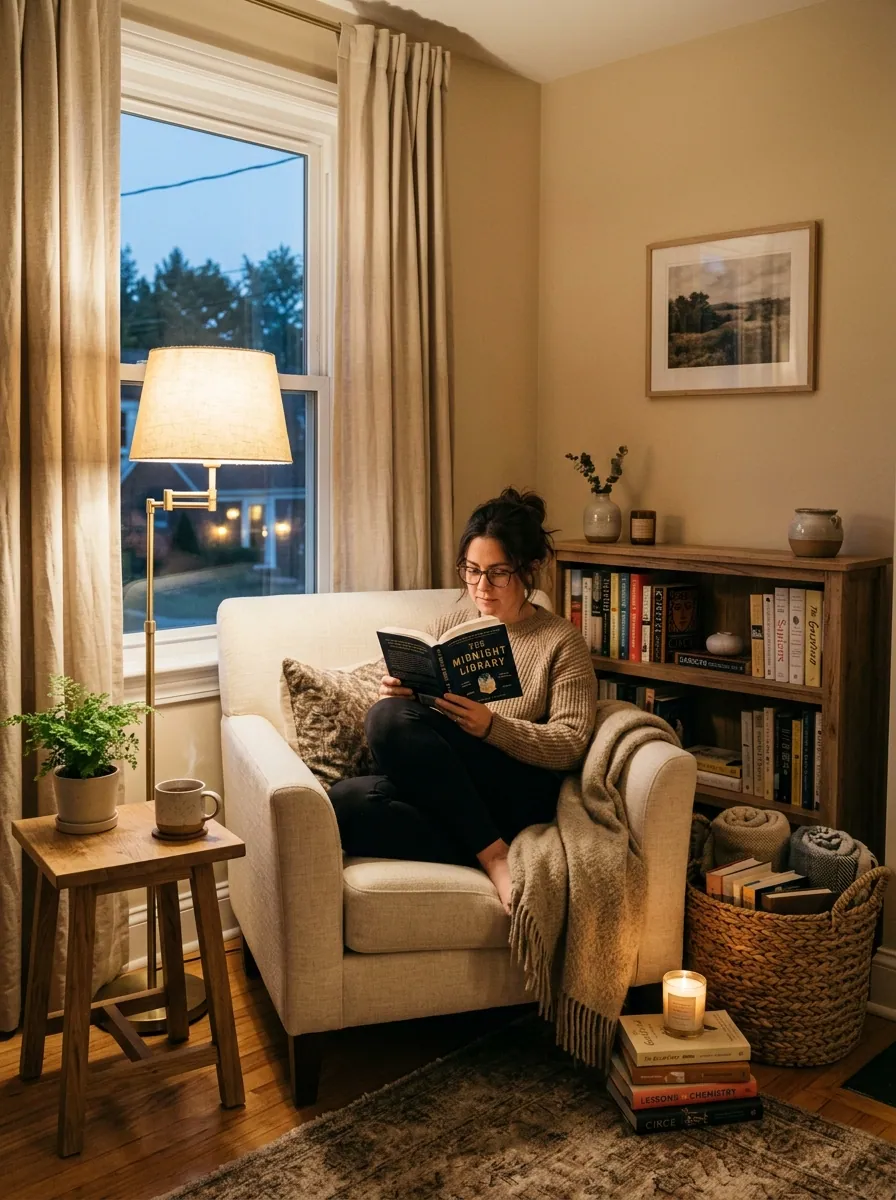
A reading corner becomes much more useful when the books and blankets you need are stored nearby.
A small bookcase or basket beside the chair can handle the essentials without requiring a large furniture piece.
19. Organize a Small Closet by Frequency
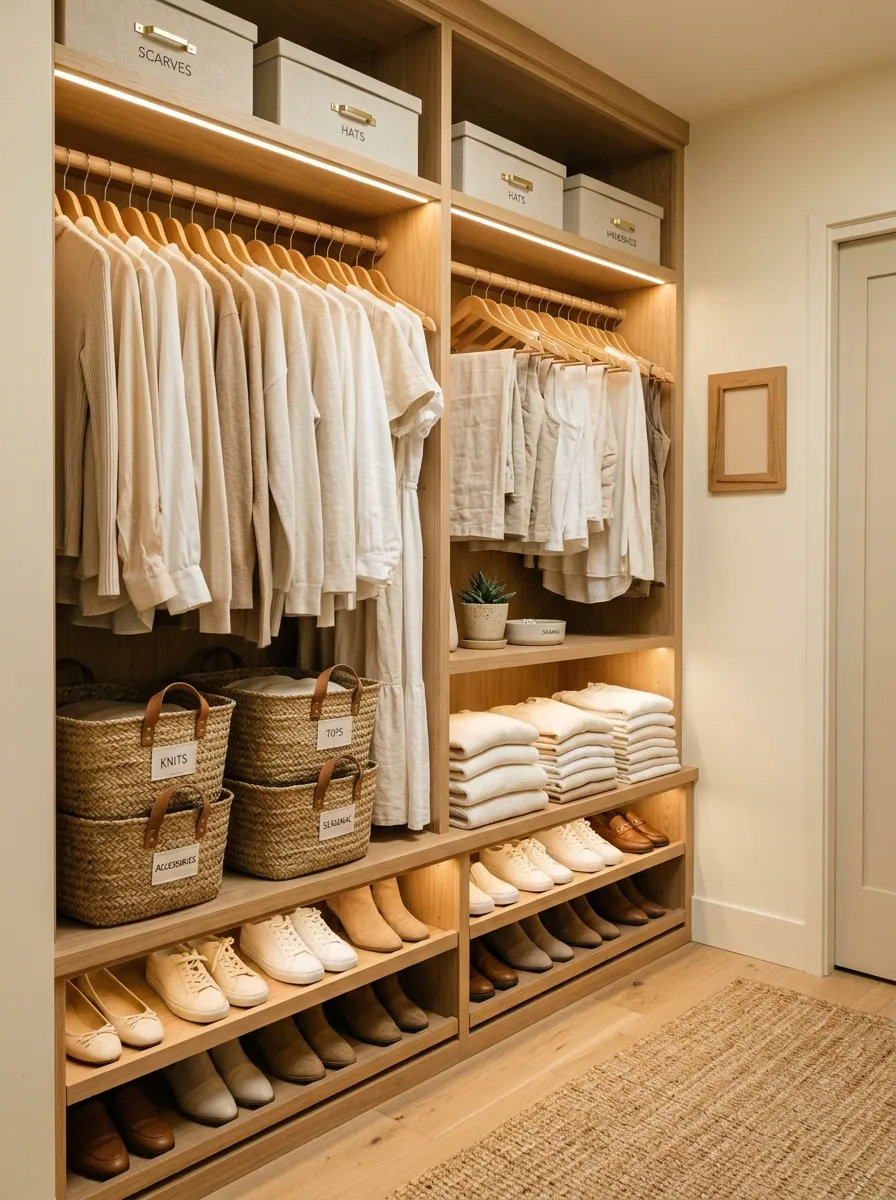
Not everything in a closet needs to be equally accessible.
Keep everyday clothing at the easiest height to reach, while seasonal items can move to higher shelves or storage boxes.
This simple change can make a closet feel larger without changing its size.
20. Turn an Awkward Corner Into Storage
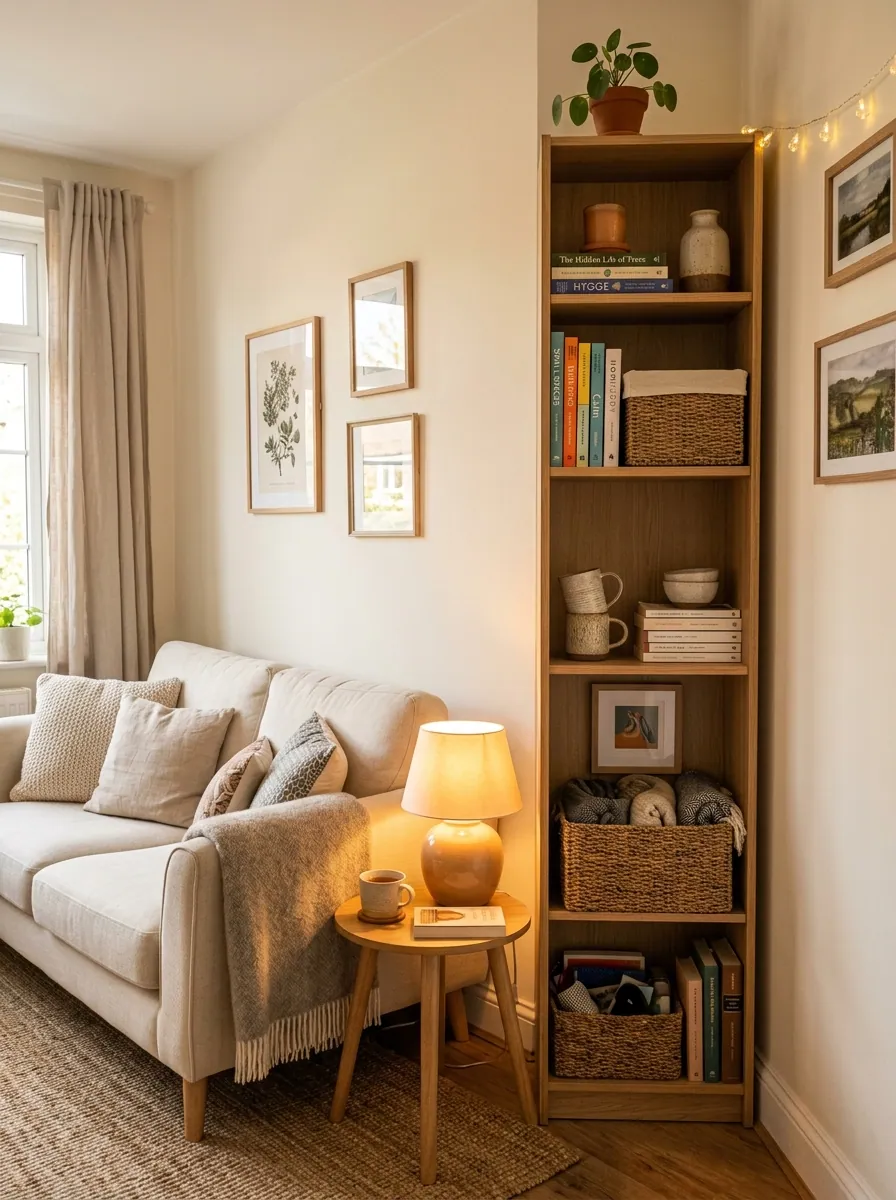
Awkward corners are often treated as unusable space.
A narrow shelf, cabinet, or vertical storage unit can turn one of these forgotten areas into useful storage.
Measure carefully before buying anything so the furniture feels integrated rather than squeezed into the corner.
21. Use a Decorative Tray for Small Items
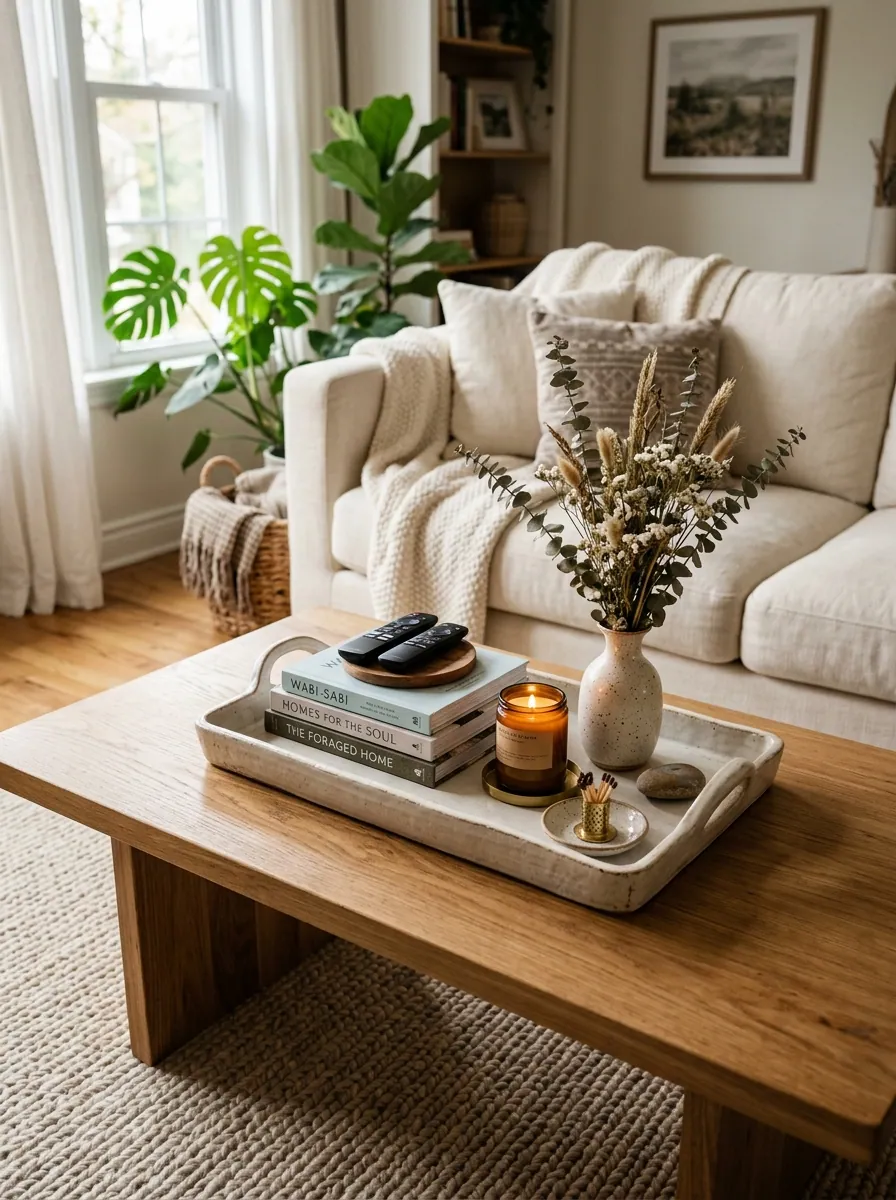
Small items become much easier to control when they have a designated container.
A decorative tray can gather remotes, candles, books, and small objects on a coffee table or console.
When you need to clear the surface, you only need to move one organized group.
22. Keep Daily Essentials at Eye Level
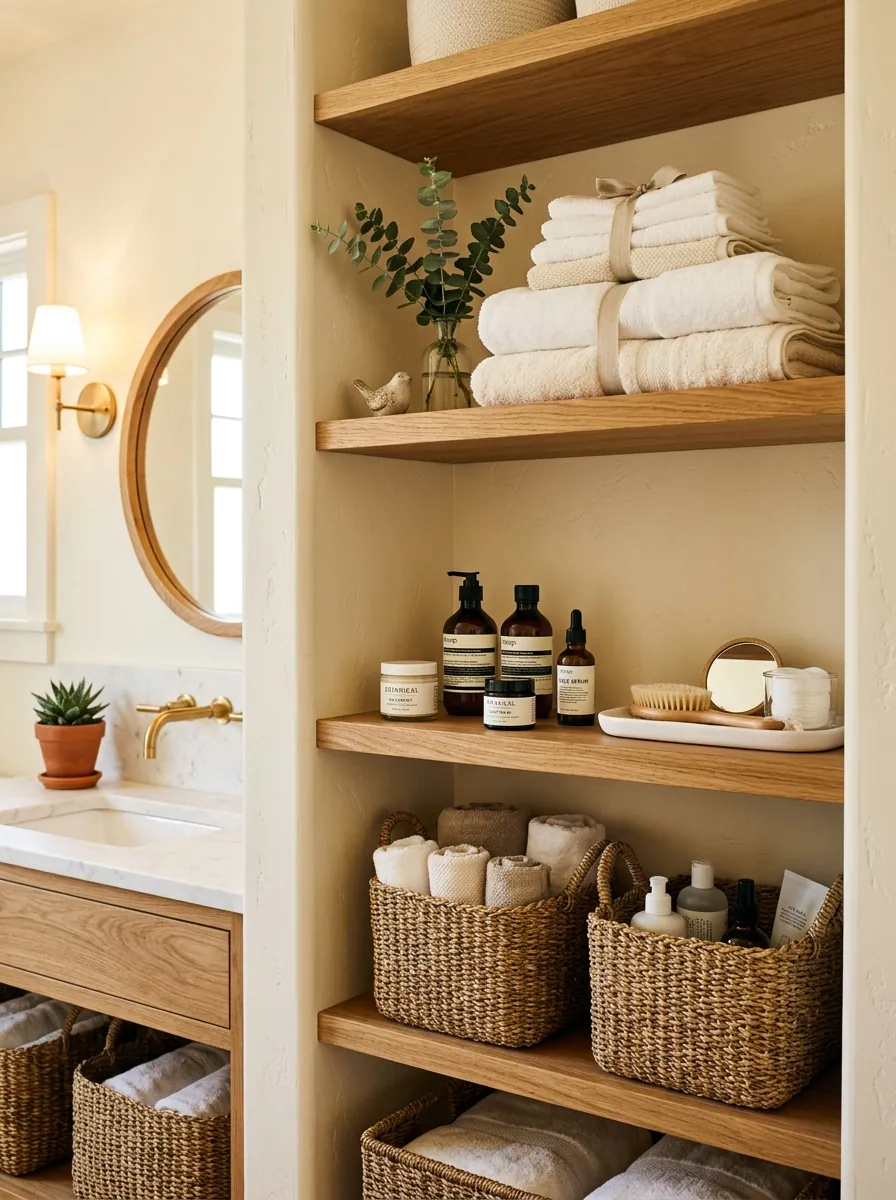
Good organization isn’t simply about putting things away.
The things you use most often should be easy to reach, while rarely used items can occupy higher or harder-to-access storage.
This reduces the temptation to leave everyday objects sitting on counters.
23. Create a Clutter-Free Living Room Console
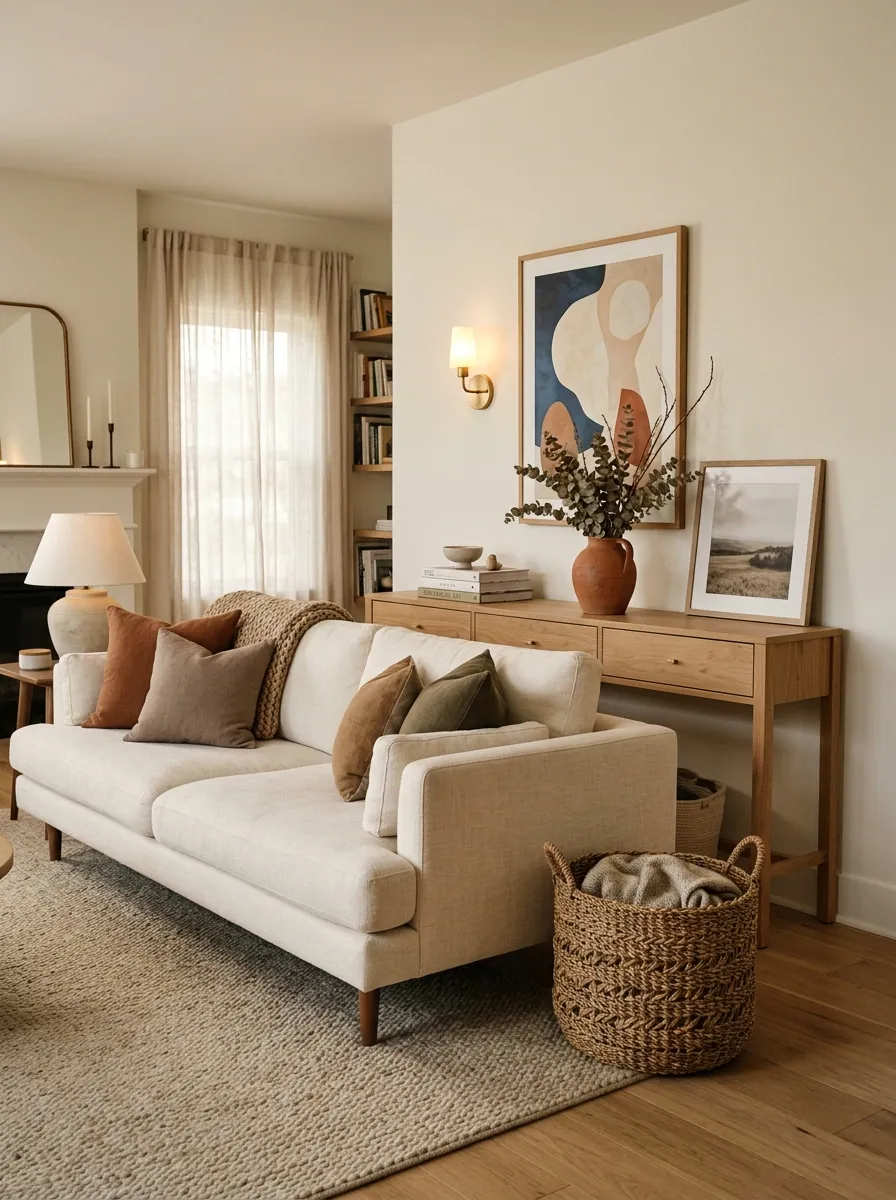
A console can become a magnet for miscellaneous objects.
Give it a clear purpose instead. Use its drawers for remotes, electronics, paperwork, or household items while keeping the top lightly styled.
A few intentional objects will look better than a collection of unrelated necessities.
24. Build an Organization System Around Your Routine
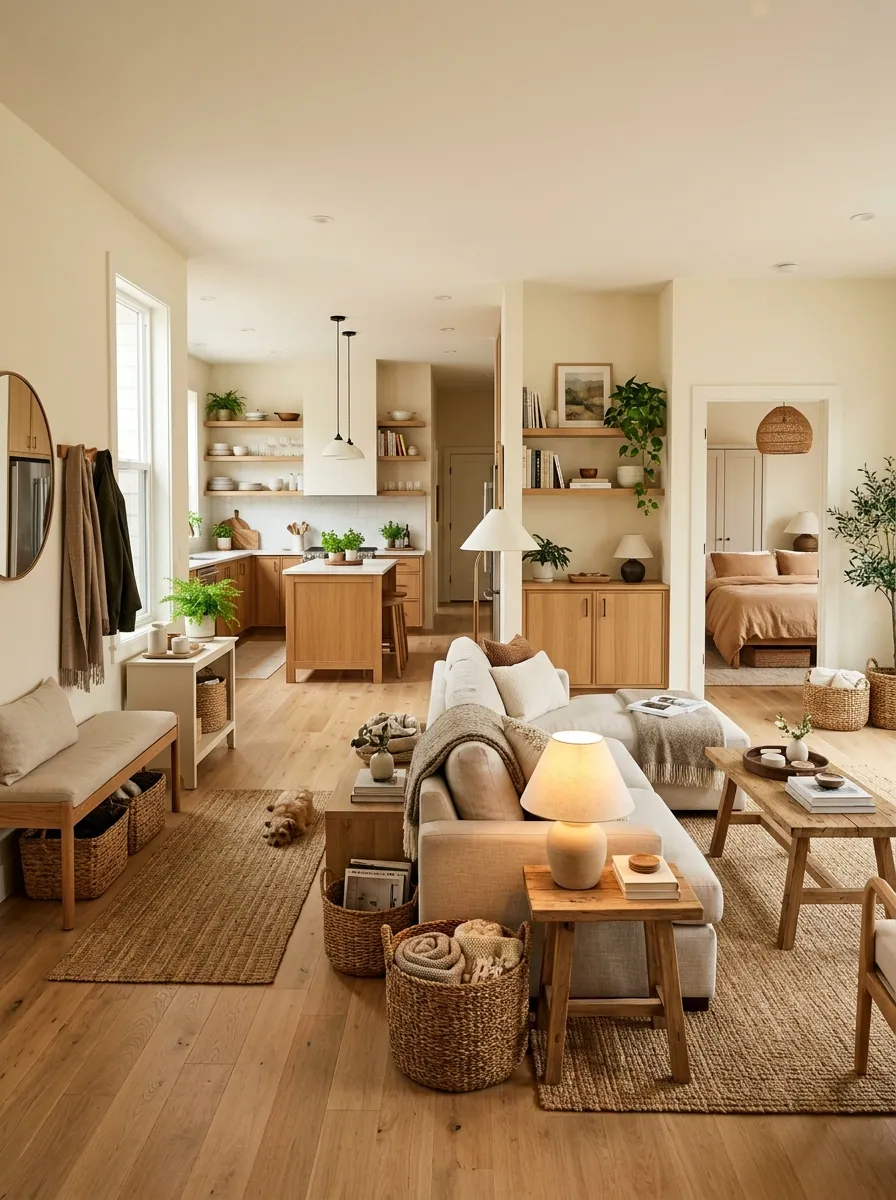
The most effective organization system is the one that matches how you actually live.
If you always drop your bag beside the sofa, create storage there. If you leave mail on the kitchen counter, place a small organizer nearby. If blankets constantly end up on chairs, put a basket exactly where you need it.
Organization works best when it removes friction instead of creating extra rules.
How to Make Your Home Feel Organized Without Making It Look Minimal
You don’t need to remove personality to reduce clutter.
The goal is to create a balance between visible character and hidden organization.
Keep the objects that genuinely contribute to the room’s personality—artwork, books, ceramics, plants, textiles, photographs, and collected pieces.
Then use closed cabinets, baskets, drawers, and containers for the things that create visual noise.
A useful rule is:
Display what you love. Hide what you simply need.
Home Organization Ideas for Small Spaces
Small homes benefit most from furniture that performs more than one job.
Consider:
- Storage beds for out-of-season clothing and extra bedding.
- Ottomans with hidden compartments for throws and books.
- Floating shelves that draw the eye upward and keep surfaces clear.
- Narrow consoles for compact entryways and hallways.
- Storage benches that provide seating and hidden capacity.
- Wall hooks for everyday bags, coats, and hats.
- Slim cabinets that fit into narrow alcoves.
- Rolling carts for flexible bathroom or kitchen storage.
- Under-bed containers to keep seasonal gear out of sight.
- Over-door organizers for pantry items and accessories.
The goal isn’t to squeeze more furniture into a room. It’s to make the existing furniture and walls work harder.
How to Make Storage Look Beautiful
Storage doesn’t have to look like storage.
Choose materials that complement your interior, such as:
- Natural wood for warmth and organic texture
- Woven baskets to soften modern lines and conceal clutter
- Linen boxes for clean, tailored closet storage
- Ceramic containers for vanity counters and coffee stations
- Glass jars for clear, aesthetically pleasing pantry organization
- Neutral fabric bins for wardrobe shelves and cubbies
- Simple metal hardware in brass, black, or bronze for understated refinement
When storage materials repeat throughout the home, even practical organization begins to feel like part of the design.
Easy Home Organization Updates on a Budget
You don’t need a complete organizational makeover.
Start with the areas that create the most daily frustration. A few inexpensive changes can include:
- Adding hooks near the entrance.
- Using baskets underneath existing furniture.
- Adding trays to cluttered surfaces.
- Reorganizing one kitchen cabinet at a time.
- Using vertical wall space.
- Creating a dedicated charging drawer.
- Adding drawer dividers.
- Moving seasonal items into labeled containers.
The best organizational upgrade is usually the one you will continue using months later.
Organization Mistakes to Avoid
Buying storage before decluttering
Storage cannot solve the problem if you simply have too many unnecessary things. Clear out what you don’t use first.
Hiding everything
A home can become frustrating when frequently used items are stored too far away. Everyday essentials should stay easily accessible.
Filling every shelf
Empty space is useful. It gives organized areas room to breathe and prevents visual fatigue.
Choosing storage that doesn’t fit
Measure your furniture, shelves, cabinets, and corners before buying containers or organizers.
Creating systems that are too complicated
If putting something away takes five steps, you’ll eventually stop doing it. Keep daily systems as frictionless as possible.
Frequently Asked Questions
How can I organize my home quickly?
Start with the most visible clutter. Clear major surfaces first, then create simple homes for frequently used items. Don’t try to reorganize the entire house in one session.
How do I organize a small home?
Use vertical space, hidden storage, multifunctional furniture, under-bed storage, baskets, and narrow furniture pieces. Small spaces benefit from making every area serve a clear purpose.
How do I make an organized home still feel cozy?
Keep warm materials, artwork, books, plants, textiles, and personal objects visible while hiding unnecessary visual clutter inside drawers, cabinets, and baskets.
What room should I organize first?
Start with whichever room causes the most daily frustration. For many homes, that means the entryway, kitchen, bedroom, or living room.
Is open shelving good for organization?
Yes, but it works best when used selectively. Keep frequently used or attractive items on display and use baskets or closed storage for smaller miscellaneous objects.
Final Thoughts
A calm home doesn’t come from having fewer belongings simply for the sake of minimalism. It comes from knowing where things belong.
The best home organization ideas make everyday routines easier while allowing your space to remain warm, personal, and beautiful.
Start small. Organize one surface, one drawer, one corner, or one room at a time. Once the system works for your routine, maintaining it becomes much easier.
The goal isn’t a perfectly organized home.
It’s a home that works beautifully for the people living in it.

