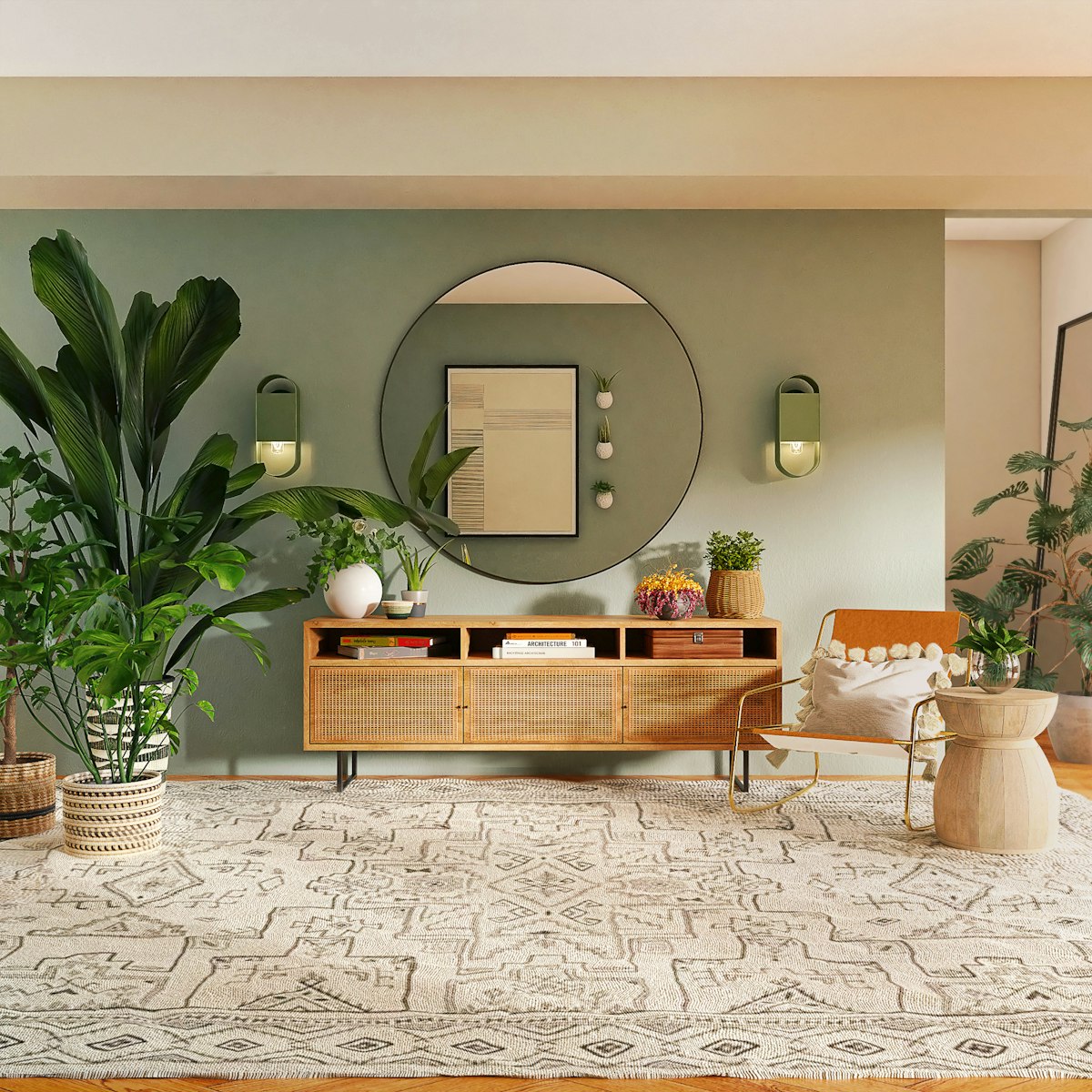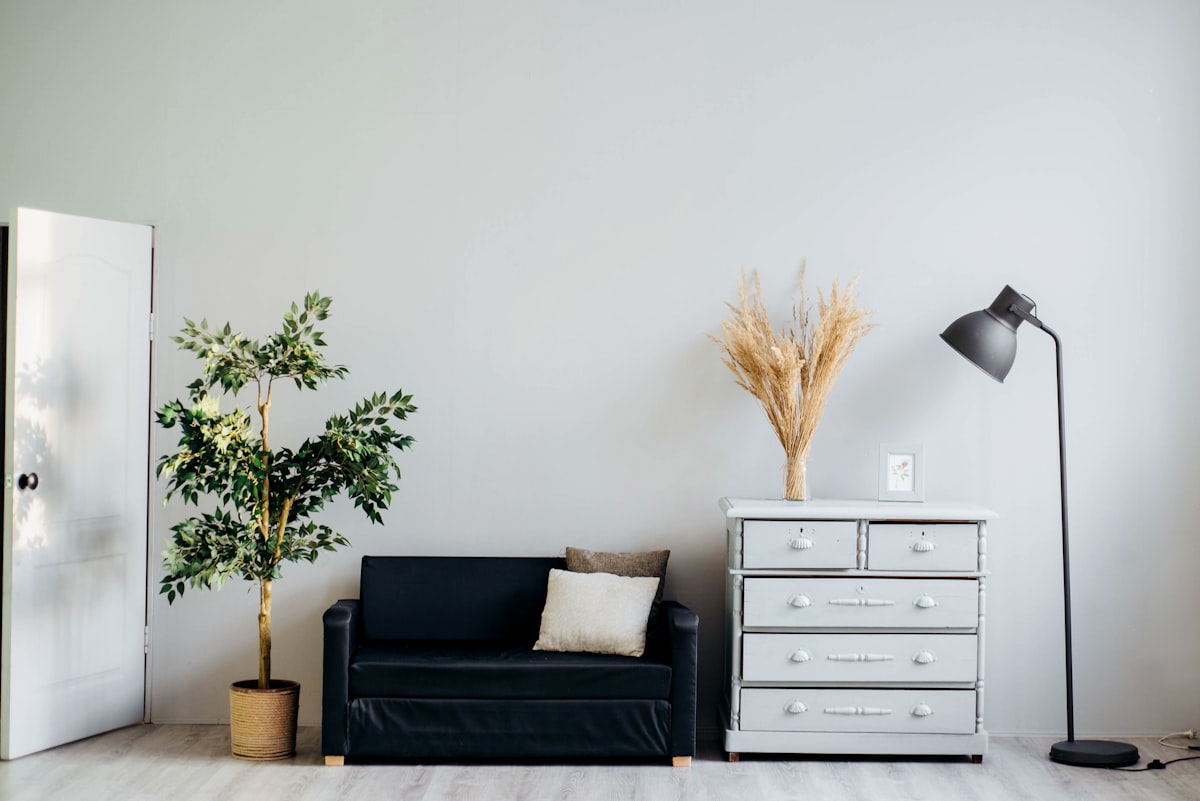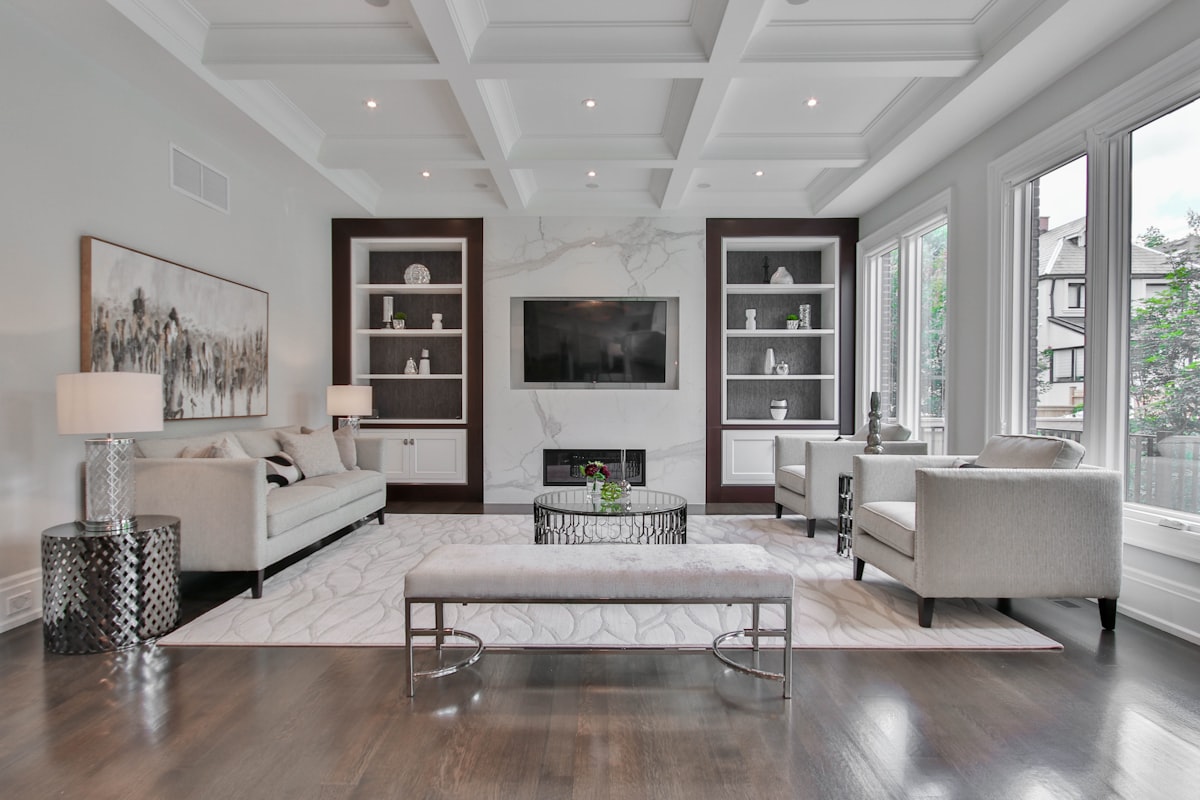
The critique of neutral interiors often sounds the same: “Isn’t beige just a little bit boring?”
When a neutral space relies exclusively on slick surfaces and cool grey undertones, it can indeed feel clinical, detached, or devoid of personality. But when warm neutrals are treated as an ode to natural earth pigments—sandstone, unbleached wool, aged parchment, and sun-baked terracotta—the result is intoxicatingly warm and deeply serene.
Here is the editorial formula for mastering warm neutral decor with depth and enduring sophistication.
1. Eliminate Cool Grey and Stark Hospital White
The foundation of a cozy neutral scheme lies in its underlying temperature. Avoid whites with blue or green undertones that turn icy in morning or winter light.
Instead, explore:
- Limewash and mineral paints: Roman clay or limewash imparts a chalky, suede-like matte finish that catches natural shadows across the day.
- Warm undertones: Look for paint chips featuring drops of yellow ochre, raw umber, or biscuit warmth.
- Tonal millwork: Paint baseboards and interior door trims one shade deeper than your wall color for subtle architectural weight.
2. Rely on High-Contrast Texture
In the absence of saturated jewel tones or high-contrast prints, texture is your color.
“A room composed of six distinct neutral materials will always feel richer and more layered than a room filled with twenty loud colors.”
Layer these contrasting surfaces into each room:
- Rough and smooth: A rough, pitted travertine plinth topped with a glossy celadon ceramic bowl.
- Soft and structured: An upholstered bouclé accent chair draped with an airy, gossamer linen throw.
- Organic and refined: A live-edge antique elm dining table illuminated by an understated, brushed brass pendant.
3. Introduce Unlacquered Brass and Patinated Metals
Avoid chrome, polished nickel, or powder-coated black hardware, which often introduce cold, commercial vibes.
Instead, select unlacquered living brass, antique bronze, or tumbled iron. As you touch unlacquered hardware over time, it reacts with the oils of your hands, developing a gentle, uneven patina that tells a quiet story of daily use and domestic longevity.
4. Bring in Botanicals with Earthy Silhouettes
Rather than brightly colored tropical bouquets, complete your warm neutral vignettes with architectural dried stems: dried hydrangeas, wild olive branches, branches of dried cotton, or preserved eucalyptus.
Their muted earthy greens and dusty amber tones effortlessly complement a serene, neutral home.